-

Our work in Ecuador
Since 2018, Corus — through Lutheran World Relief, CGA Technologies, and Ground Up Investing — has delivered innovative solutions to strengthen the agriculture sector, rural economies, youth employability, and emergency response in critical situations.
We co-create sustainable solutions with the private sector, local and central governments, and academic institutions—driving performance, efficiency, and evidence for better decision-making.
In practice, this means helping partners achieve results in five key areas:
- Promoting climate-smart agriculture and more productive value chains, with quality and traceability
- Unlocking inclusive growth and jobs through market-driven solutions and local entrepreneurship
- Leveraging digital innovation and data at scale to improve decisions and services
- Strengthening humanitarian response to emergencies and disasters, and supporting displacement management
- Improving health and nutrition, and advancing the economic empowerment of people in vulnerable situations
Our Impact
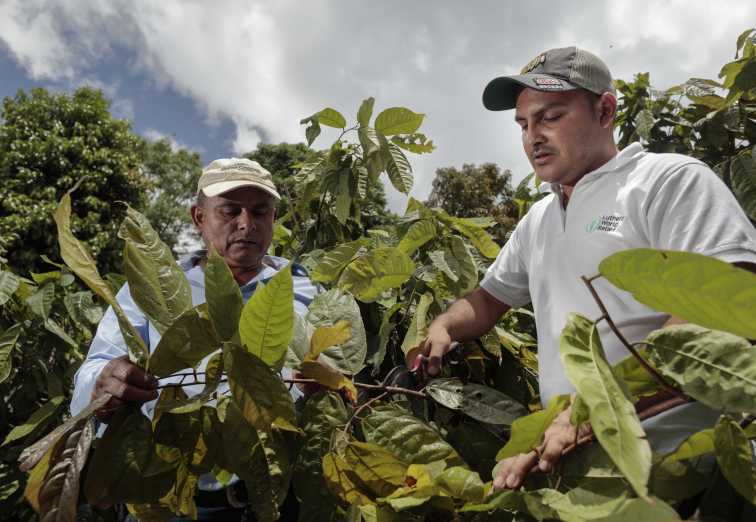
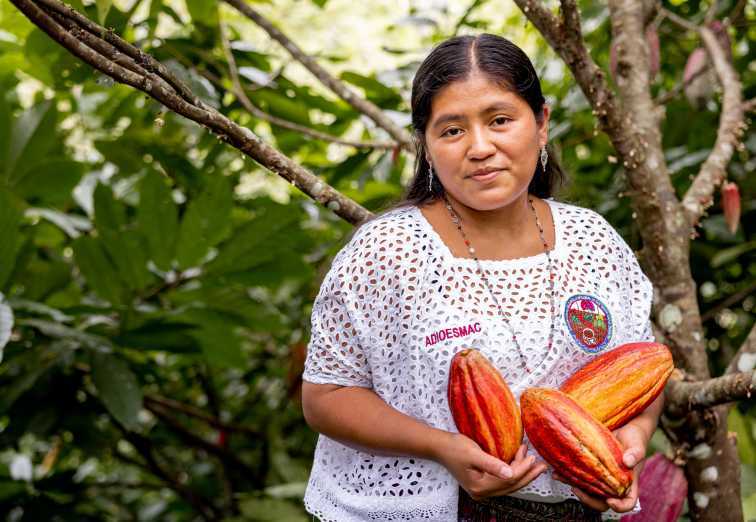
Corus organization Lutheran World Relief led cacao programming for the USDA Food for Progress Maximizing Opportunities in Coffee and Cacao in the Americas (MOCCA) project, which helped 32,503 farmers sell more at better prices, improved their agricultural production and enhanced sector coordination to drive competitiveness and growth. Ecuador, where 8,400 producers were supported, was one of six countries that was part of the 6-year, $14.3 million project. Through MOCCA, Lutheran World Relief partnered with the private sector to not only invest in improving cocoa quality and yields, but also in the systems that make those improvements possible for the future, such as higher prices, good genetic material for planting, and more direct, feasible and profitable supply chains for smallholder farmers. Lutheran World Relief mobilized USD $10.3M in digital credit for producers through BanEcuador. Farmers also gained access to Cacao Móvil, a smartphone application Lutheran World Relief designed to provide farmers with a comprehensive guide to cocoa cultivation, covering subjects from planting and pruning, to grafting and treating plant diseases. With the dissemination of research provided by the Cocoa Research Center (CRC) and Bioversity, Lutheran World Relief also developed a regional platform for knowledge transfer to strengthen the cacao value chain.
Paso Seguro Ecuador is an eight-month pilot program designed to support vulnerable intercontinental migrants arriving in Ecuador through a holistic “relief to self-reliance” approach. The initiative combines immediate humanitarian assistance, such as cash-based support, essential goods, and protection information, with medium- and long-term interventions focused on livelihoods, employability, and social integration. Targeting an initial cohort of 20 migrants and their families, the program leverages digital platforms like Empleando Mentes, partnerships with government, UN agencies and the private sector, and community-based mentorship to improve access to services, build job readiness, and foster social cohesion. By aligning humanitarian response with labor market realities and private-sector engagement, Paso Seguro aims to reduce irregular migration pressures, strengthen local integration systems, and demonstrate a scalable model for durable solutions in Ecuador.
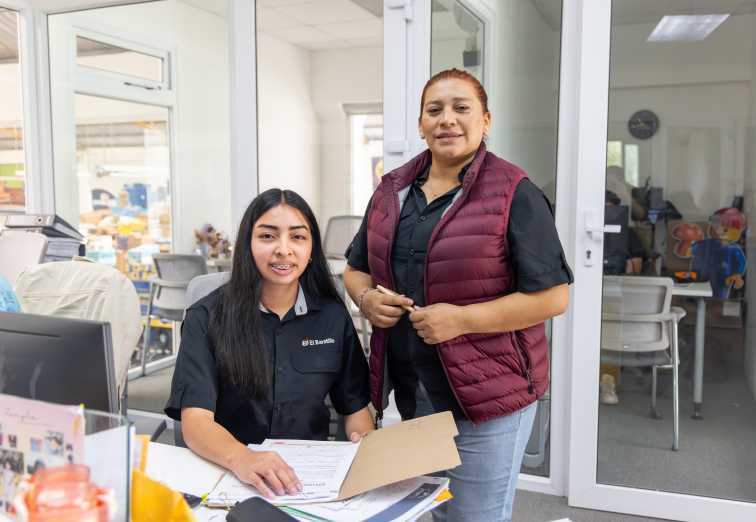
SUMARSE 2.0 is a workforce development initiative in Ecuador designed by Corus and our partner FEDEXPOR, with funding support from the Hilton Foundation, to strengthen the employability, retention, and well-being of vulnerable workers—particularly youth, women, migrants, and refugees—within the export sector by integrating evidence-based mindfulness into training, psychosocial support, and employer engagement. Across two phases, the project embeds practical, non-meditative mindfulness techniques that emphasize active noticing, cognitive flexibility, stress reframing, and adaptive problem-solving into vocational and entrepreneurship training, individual psychosocial sessions, and supervisory and HR practices. SUMARSE pairs this approach with rigorous implementation science methods, including CFIR and RE-AIM, and evaluates outcomes through a parallel cluster randomized trial to assess effectiveness, feasibility, adoption, and sustainability. By strengthening both worker capacity and employer inclusion practices, the project aims to improve learning outcomes, workplace well-being, job satisfaction, and retention while generating actionable evidence for scale-up through private-sector networks.
Funded by the World Cocoa Foundation, our COVID-19 Response in Ecuador addressed the food security and health needs of 2,300 producers in the provinces of Guayas, Los Ríos, Manabí, and Santo Domingo de los Tsáchilas by providing essential food and personal care kits during a national emergency. By supplying non‑perishable foods that form part of the basic household basket, the project helped ensure survival for vulnerable rural families, while reducing the need for movement that could have contributed to the spread of the pandemic. At the same time, it supported continuity in Ecuador’s cocoa value chain, safeguarding livelihoods and preventing broader economic disruption. Together, these efforts contributed to mitigating the impacts of the emergency, reducing the risk of health and funeral system collapse, and averting a wider humanitarian crisis while ensuring that critical agricultural production can continue.
Lutheran World Relief provided consistent, accurate, and credible COVID-19 and vaccine information to combat misinformation, myths, fears and distrust related to the virus and vaccines among Venezuelan migrants and refugees, rural mining and smallholder farming communities, and rural cacao and coffee producers across Peru, El Salvador, Honduras, Nicaragua, Guatemala, and Ecuador. Through a twofold communications campaign, the project provided critical, lifesaving COVID-19 and vaccine information to 75,000 individuals across these six Latin American countries utilizing our existing digital platforms VenInformado and Cacao Móvil while also targeting members of rural communities participating in our rural development projects.
Resources for Latin America
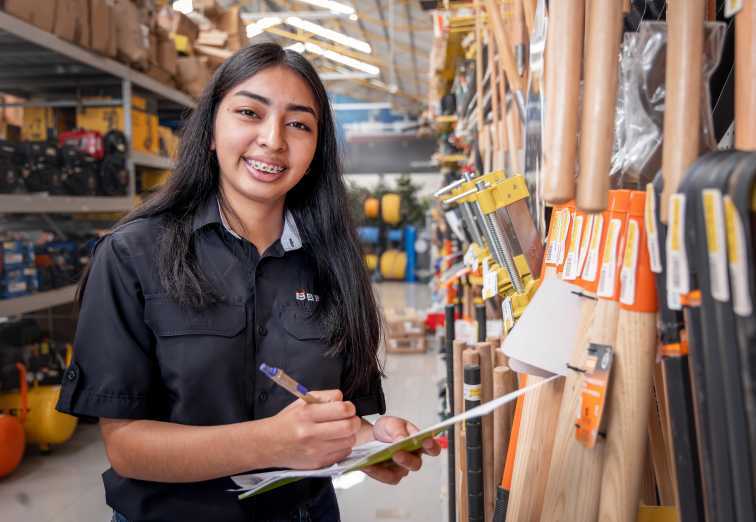
Empleando Mentes
A digital space for youth to receive professional guidance, information and support to develop their soft skills, emotional and mental wellbeing, and more as part of workforce development.
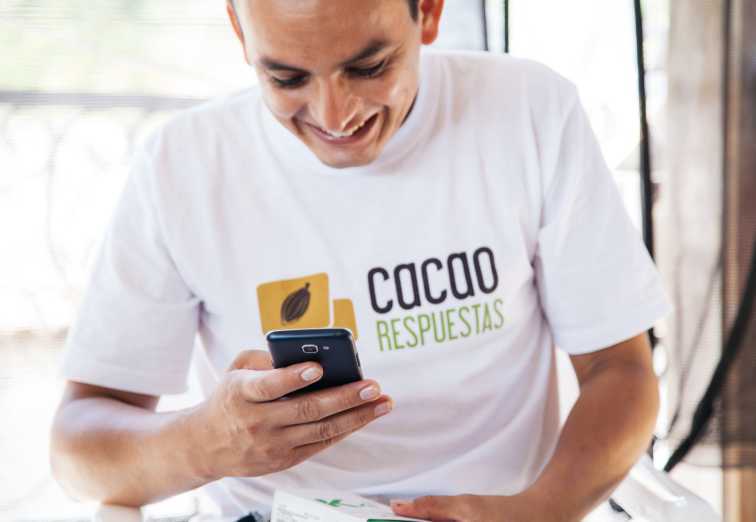
Cacao Móvil
A digital training platform that delivers agricultural extension support directly to cacao producers’ phones.
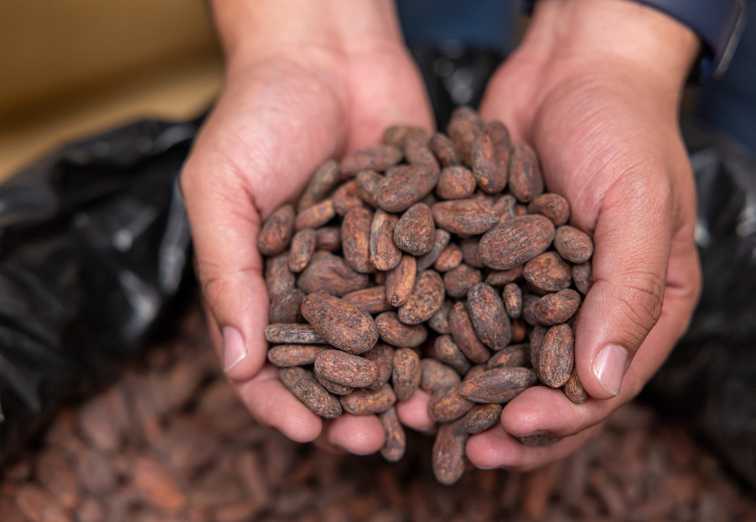
Cocoa Flavor Map
A digital tool that highlights the unique sensory profiles of cocoa grown in different regions, helping farmers connect with specialty markets by showcasing flavor attributes like fruitiness, acidity and aroma.