-
Environmental Sustainability
We protect the natural resources communities depend on — today and for generations to come.





Environmental degradation, extreme weather events, and unsustainable land use are putting lives and livelihoods at risk around the world. As ecosystems are strained, families face growing threats to their health, food security, and incomes — especially smallholder farmers and rural communities who rely most directly on natural resources to survive and thrive.
Corus integrates environmental sustainability across our rural economic development, health, and humanitarian action work. Alongside farmers, communities, governments, and local partners, we advance practical solutions that protect ecosystems, strengthen resilience, and support sustainable livelihoods. Our approach helps communities safeguard the land, water, and biodiversity they depend on for the long term.
How Corus International advances environmental sustainability
Our environmental sustainability programming aligns with all Five Fundamentals — Income, Place, Nutrition, Health, and Education because environmental degradation and climate stresses directly threaten food security, health, income, and safety — especially for rural communities and smallholder farmers. Protecting ecosystems helps families maintain livelihoods today and reduces future risk.






What We Do
Advance regenerative agriculture
We promote regenerative farming practices that restore soil health, increase biodiversity, and capture carbon. By working directly with farmers and rural communities, we help increase productivity and incomes.
Strengthen sustainable natural resource management
We support locally led stewardship of land, water, and ecosystems — helping communities conserve critical resources and prevent overexploitation. These approaches protect biodiversity, sustain livelihoods, and ensure natural systems can thrive for generations.
Reduce disaster risks and build resilience
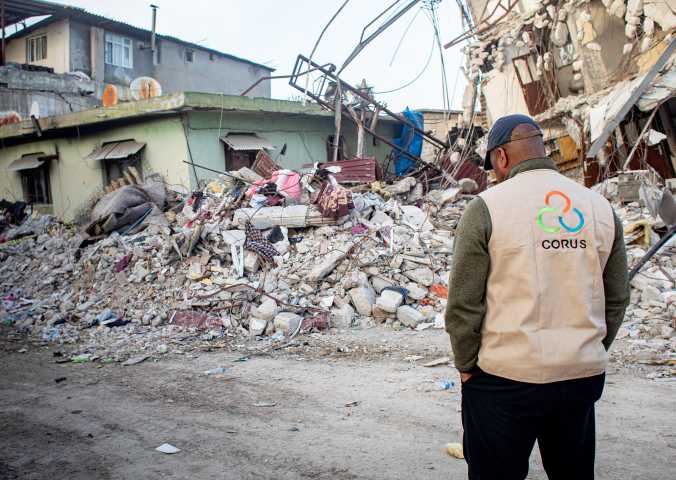
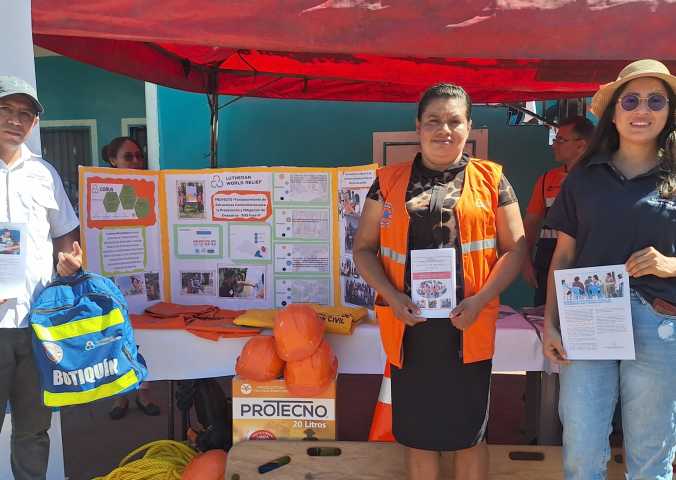
As floods, droughts, and extreme weather intensify, we integrate disaster risk reduction into our programs. Through early warning systems, community planning, and preparedness training, we help communities reduce losses and recover faster when disasters strike.
Protect global health through environmental action
Environmental degradation increases the risk of emerging diseases and pandemics. Through One Health approaches, improved water and waste management, and environmental protection, we help reduce disease transmission and strengthen global health security.
Results
and Impact
- Healthier ecosystems and soils
- Higher yields and climate resilience
- Reduced reliance on harmful chemicals
- Market access through compliance
Spotlight: Regenerative Agriculture That Meets Global Sustainability Standards
The European Union Deforestation Regulation (EUDR) is transforming global agricultural supply chains by requiring imported commodities — including cocoa and coffee — to be deforestation-free and fully traceable. While these new rules protect forests and biodiversity, they also introduce complex compliance requirements that can make or break market access for smallholder farmers.
Corus is helping farming communities turn this challenge into a long-term opportunity.
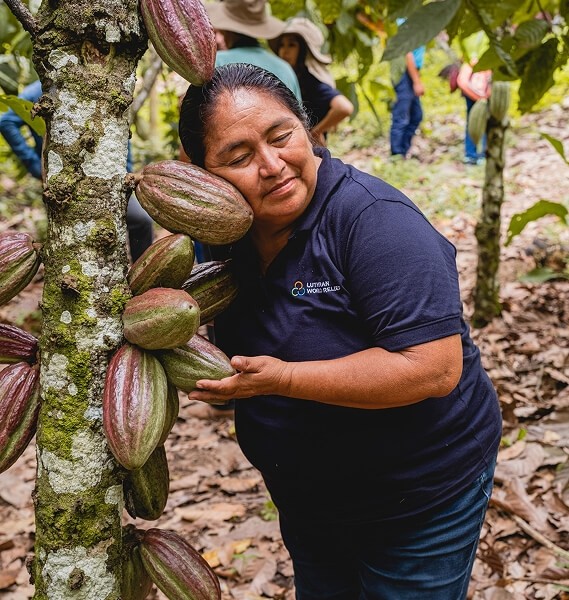
Through regenerative agriculture practices, we train cocoa and coffee farmers to improve soil health, increase biodiversity, and reduce chemical inputs — all while boosting resilience. Techniques such as agroforestry and intercropping create natural shade canopies, protect crops from temperature extremes, improve water efficiency, and support more productive, biodiverse landscapes.
These regenerative approaches not only enhance environmental sustainability — they directly support EUDR compliance. By improving land-use stewardship, verifying deforestation-free practices, and strengthening traceability systems, farmers are able to meet regulatory requirements and maintain access to high-value European markets.
Corus is already supporting cocoa farmers in Tanzania as they prepare for the regulation’s launch in December 2026. With the right tools, training, and market connections, smallholders can protect their land, strengthen their livelihoods, and compete in a rapidly evolving global marketplace.
Frequently
Asked Questions
Regenerative agriculture refers to farming methods that restore soil health, increase biodiversity, and improve water retention while supporting stable food production and higher incomes. These practices help farmers build resilience to droughts, floods, and other shocks.
Healthy land, water, and ecosystems are essential for food production, income generation, disease prevention, and safe living conditions. When these systems degrade, families face greater health risks, reduced yields, and fewer economic opportunities.
Environmental pressures can increase heat-related illnesses, waterborne disease, malnutrition, and infectious disease outbreaks. Corus prepares health systems to manage these threats and reduces disease risks through One Health approaches, improved water and waste management, and environmental protection.