World Humanitarian Day: Meet the people behind humanitarian response

Humanitarian response can take many forms. It can mean delivering lifesaving care amid conflict, finding new ways to reach families displaced from their homes, or building the partnerships and systems needed when disaster strikes. Behind each effort are people committed to standing with communities through some of their most difficult moments.
This World Humanitarian Day, Corus honors humanitarian workers around the world, including our colleagues and partners, who put that commitment into action every day. They adapt quickly, navigate uncertainty and find ways to keep essential services moving, sometimes while experiencing the effects of an emergency themselves.
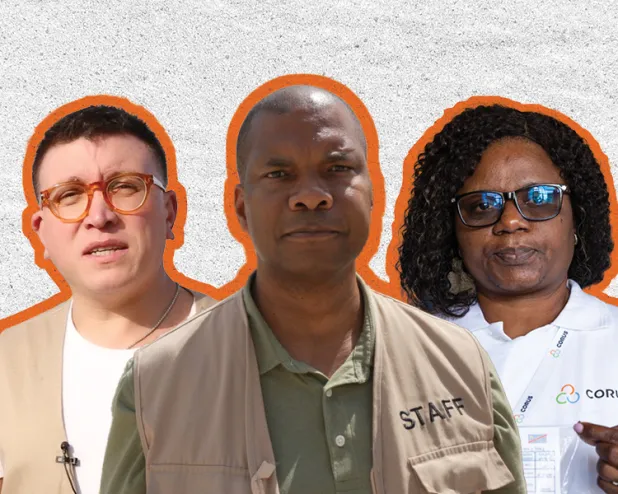
This year, we are highlighting three Corus colleagues: Dr. Alice Mudekereza in the Democratic Republic of Congo, Ali Hijazi in Lebanon and Fred McCray in the United States. Their experiences span different countries and challenges, and each offers a glimpse into the persistence, partnership and preparation that make humanitarian action possible.
Dr. Alice Mudekereza: Protecting women and girls in the Democratic Republic of Congo
For Dr. Alice Mudekereza, humanitarian service is deeply personal.
Now in her tenth year with Corus organization IMA World Health, Dr. Alice has dedicated much of her career to protecting women and girls in the Democratic Republic of Congo (DRC), particularly survivors of violence.
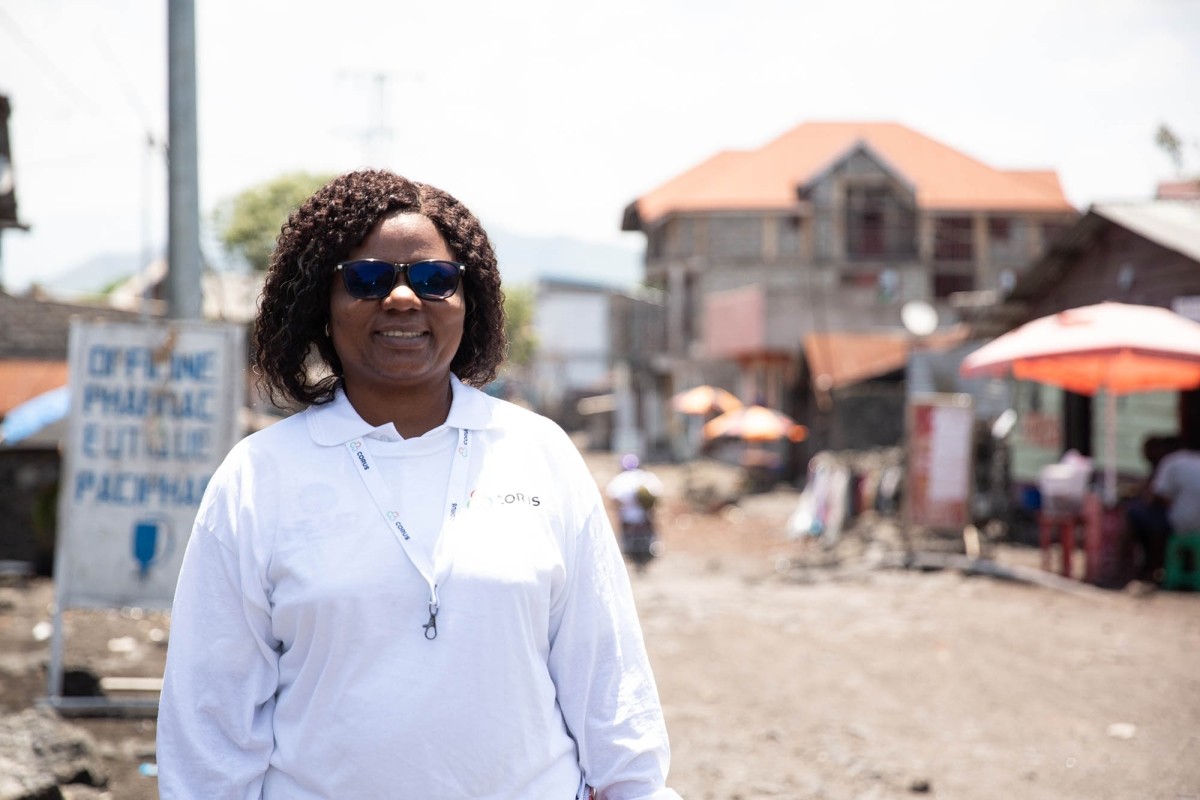
From 2016 to 2018, she led IMA World Health's counseling program for survivors of sexual violence, reaching tens of thousands of people. In 2018, she helped launch IMA World Health’s work to expand access to post-exposure prophylaxis, or PEP kits, which provide critical treatment following assault. Over the next seven years, she managed five consecutive U.S. government awards that helped make this lifesaving care available to hundreds of thousands of women across more than two-thirds of the country.
At the beginning of 2025, Dr. Alice secured a new $7.5 million award to serve communities in some of the most volatile areas of eastern DRC. Within weeks, however, escalating conflict in and around Goma dramatically increased humanitarian needs and disrupted the program.
Dr. Alice remained focused on finding ways to continue serving communities. She advocated for IMA World Health's remaining PEP kit supplies to reach women and girls who needed them, supported relief efforts in Goma and helped develop new partnerships to sustain critical protection work. Within months, she was once again directing a major protection program.
Today, that commitment continues as communities in eastern DRC confront overlapping humanitarian and public health emergencies.
Reflecting on what kept her going, Dr. Alice said:
“DRC is my country, IMA is my family.”
Her determination reflects something humanitarian workers around the world know well: responding to a crisis often means finding a way forward even when circumstances change unexpectedly.
Ali Hijazi: Delivering healthcare amid displacement in Lebanon
For Ali Hijazi, our country representative in Lebanon, humanitarian response is taking place in his own community.
As conflict has affected communities across Lebanon, Ali has continued helping lead Corus's response while experiencing the effects of the crisis himself. In Beirut, he has seen the impact of the conflict in his own neighborhood, a reality shared by many local humanitarian workers who are responding to emergencies affecting their own colleagues, loved ones and communities.
At the same time, Corus and our partners are working to help displaced families access essential services.
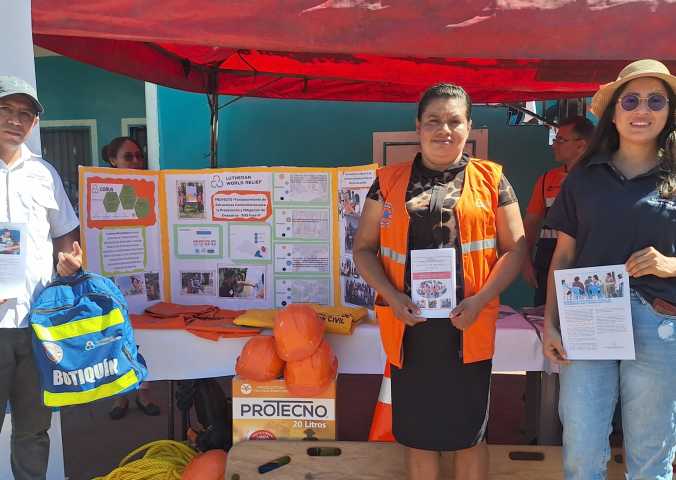
Through Corus organization Lutheran World Relief and local partner Amel Association International, Ali is leading an emergency health response that brings care directly to internally displaced people who may struggle to reach health facilities. Mobile teams are designed to reach people particularly vulnerable during displacement, including the elderly, people with disabilities, pregnant women and others facing barriers to care.
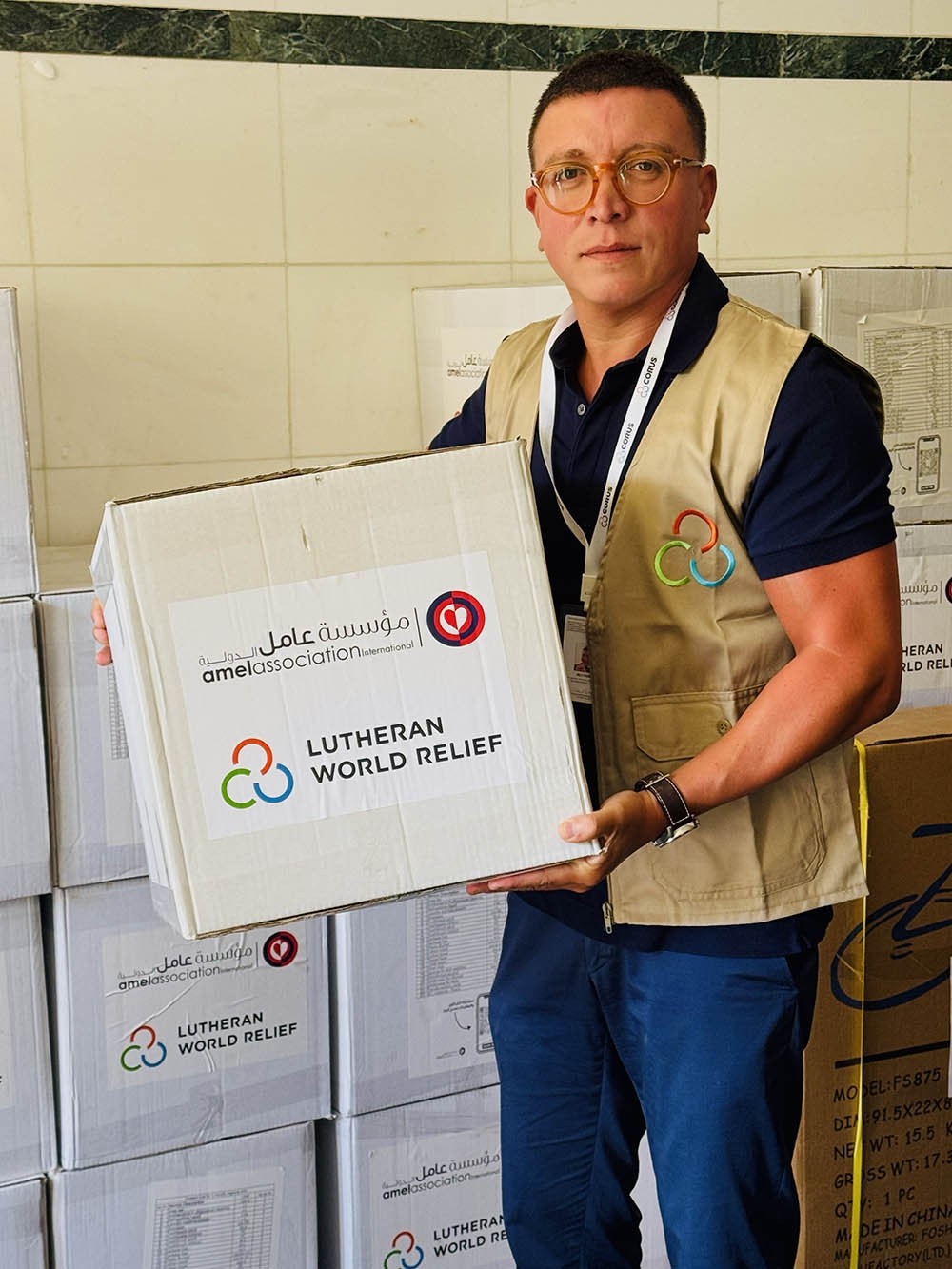
The teams provide medical consultations and essential medications alongside items such as assistive devices, dignity kits and hygiene supplies. This approach is particularly important for people with mobility limitations, transportation challenges or other barriers that make reaching facility-based care difficult.
Ali's experience is a reminder that humanitarian workers are also neighbors, parents, friends and community members, and that many continue serving while navigating the same uncertainty as the people they support.
“My story is the story of thousands of Lebanese seeking safety, peace, and dignity, and of hundreds of national humanitarian workers striving to make a difference while safeguarding their own families.”
Fred McCray, Jr.: Strengthening disaster preparedness in the United States
Effective disaster response often begins long before an emergency.
Teams must build relationships, understand local needs, coordinate logistics and put systems in place that allow organizations to act quickly when disaster strikes.
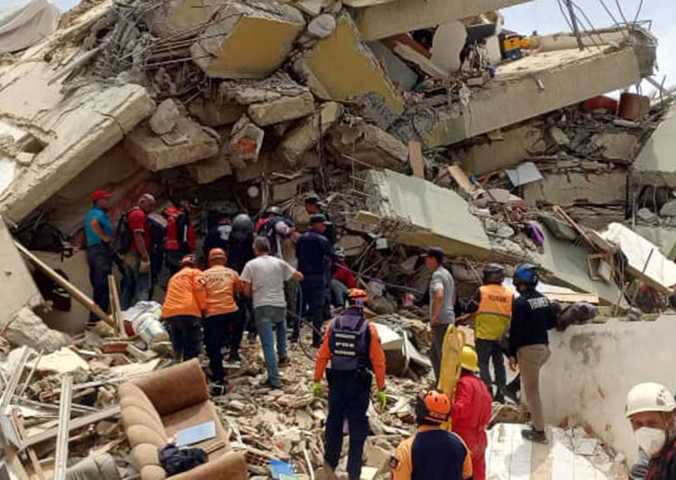
Frederick McCray, Jr., has spent more than two decades doing just that. Throughout his career, including as our senior director for humanitarian assistance, Fred has led complex humanitarian and development programs across Africa, Asia and other crisis-affected settings, responding to emergencies ranging from earthquakes and floods to conflict.
In 2025, Fred brought that experience to a new challenge: helping strengthen Corus' disaster response capacity in the United States.
Much of his focus is on building the infrastructure needed before an emergency occurs. He develops partnerships with local communities and helps pre-position emergency supplies across the country, putting resources closer to where they may be needed.
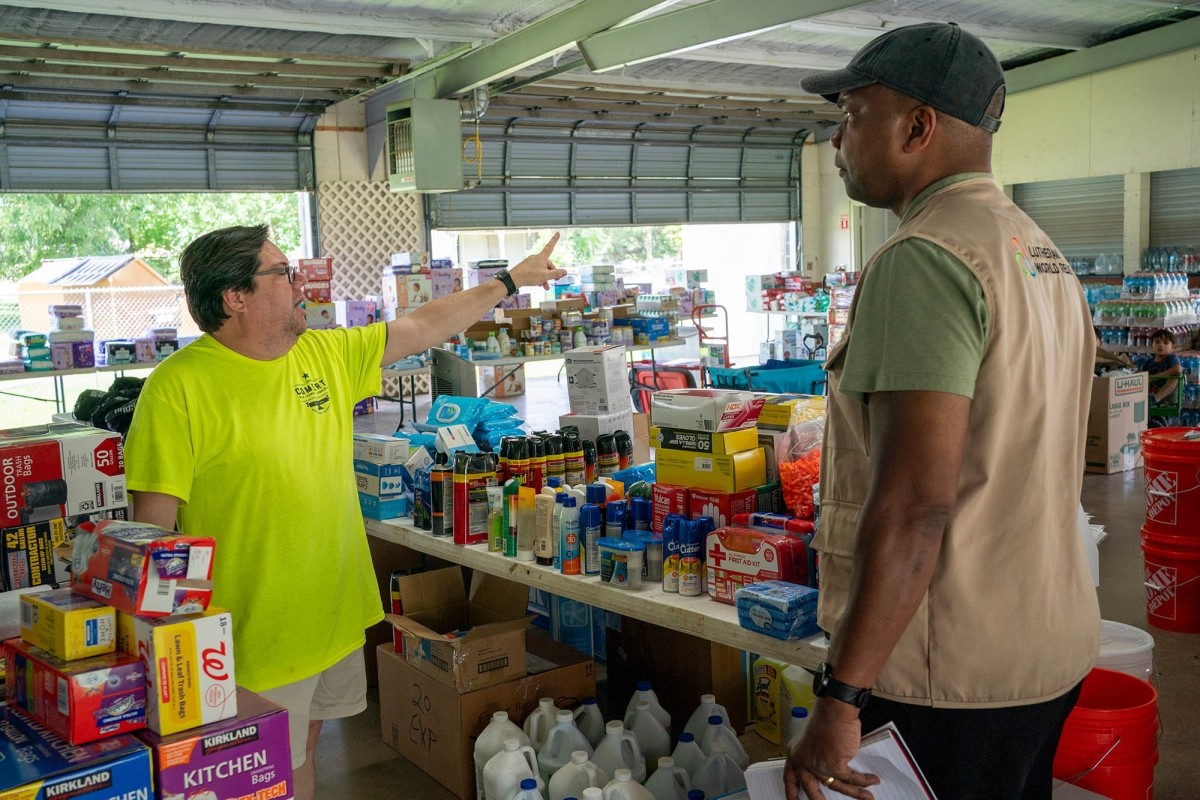
That preparation must also be flexible. No two disasters or places are alike. Effective assistance depends on listening to local partners, understanding what people need and adapting accordingly. It also means looking beyond immediate relief to the longer process of recovery and resilience.
Reflecting on what he has witnessed throughout his career, Fred said:
“I've witnessed the immense grief families experience when they've lost everything. But I've also seen their profound hope when they realize someone is there to help.”
Fred's experience shows that preparedness is itself an essential part of humanitarian action. Strong partnerships, thoughtful planning and resources positioned ahead of time can help organizations respond faster and stay engaged as recovery continues.
The people who make humanitarian action possible
The circumstances facing Dr. Alice, Ali and Fred are very different. But their work shares something fundamental.
Humanitarian action depends on people willing to listen, adapt and work alongside communities through extraordinary circumstances. It depends on local knowledge and trusted relationships. And it depends on people who continue showing up when plans change, resources are stretched and the needs around them are immense.
This World Humanitarian Day, we honor them and humanitarians everywhere who put their skills, compassion and commitment into action for others.
To all those who make humanitarian response possible: thank you.