Mobile clinics support recovery across post-hurricane Jamaica
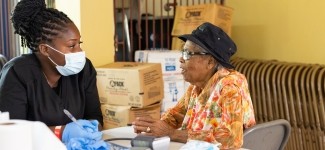
Carmen James visits a mobile clinic in rural Wakefield, Jamaica.
“Hurricane Melissa hit us like a rock.”
That’s how Carmen James, an elderly resident of Wakefield, Jamaica, described the storm that rocked the country on October 28, 2025.
Hurricane Melissa was the first category five storm in history to reach landfall in Jamaica, and the impact was immense:
- 45 people were killed, and more than 279,000 people were displaced. Thousands are still living under tarps as the next storm season approaches.
- The storm targeted Jamaica’s “breadbasket” region, destroying the crops that feed the nation and making food both scarce and expensive.
- 75% of the hospitals and clinics in the affected areas sustained major damage and were rendered inoperable.
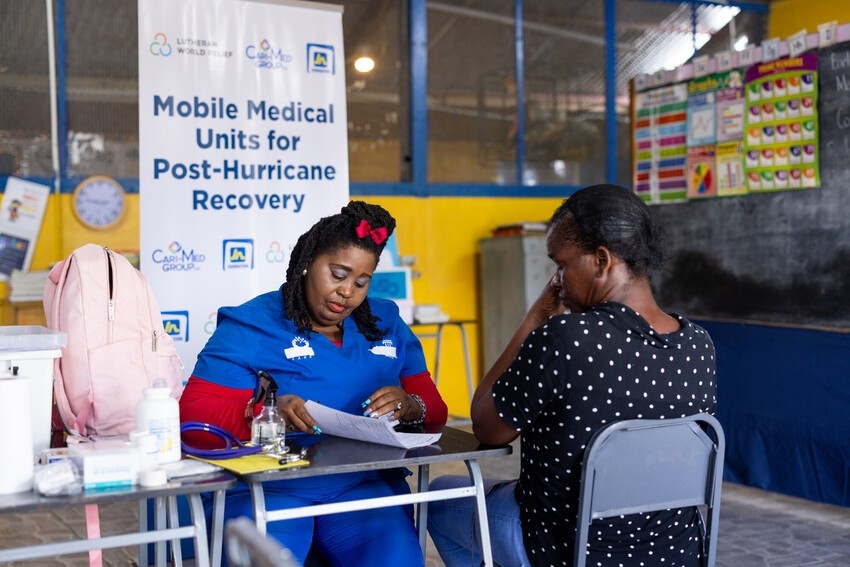
As communities continue to recover, Corus International is deploying mobile medical clinics to hard-hit and hard-to-reach rural communities in partnership with the JN Foundation, St. John Ambulance Jamaica and Cari-Med Group. Corus is helping equip the clinics with essential medications and relief supplies, while the JN Foundation serves as programmatic lead, St. John Ambulance Jamaica as a key supplier, and Cari-Med Group provides critical pharmaceuticals and medical supplies. Together, the partnership leverages the unique strengths of each organization to bring much-needed medical care directly to affected communities.
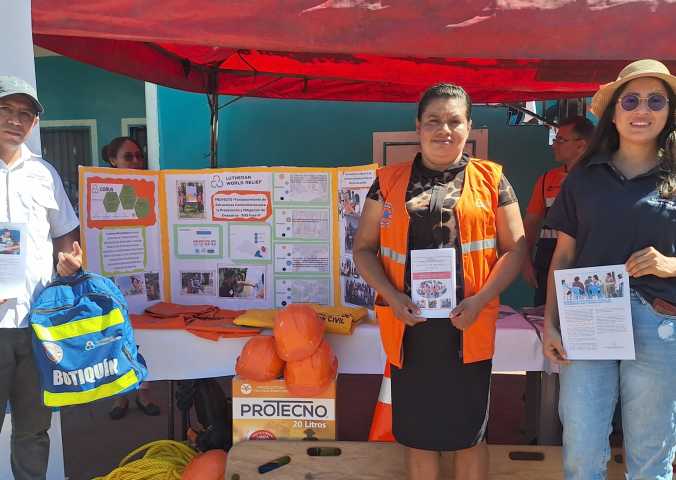
Set up at schools, churches and other community sites, the mobile clinics provide health checkups, essential medications, referrals, food packages and essential relief supplies, including quilts and care kits provided by Corus organization Lutheran World Relief.
To date, our mobile clinics have made 12 visits to rural communities and served more than 700 people, with more stops planned through October 2026.
Recovery, one family at a time
Behind each mobile clinic visit is a family navigating the ongoing challenges of recovery, from accessing essential medications to putting food on the table.
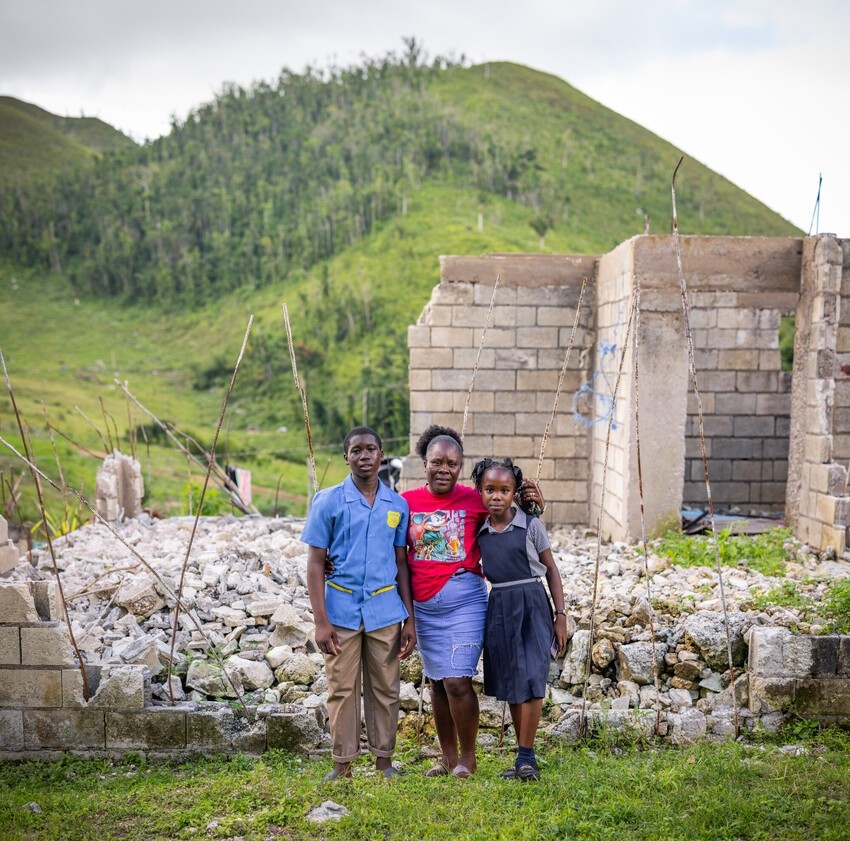
Sheina Robinson visited the mobile clinic to ensure her diabetes and hypertension were under control. Sheina’s family lost everything to Hurricane Melissa — their home, their jobs, even Sheina’s medications.
After the storm, she went several weeks without taking them because the roads were blocked. Replacing them put their family in a difficult financial situation, because neither Sheina nor her husband have been able to find new jobs.
She said she was grateful the clinic came to her community and that knowing her health was being looked after gave her peace of mind. "Sometimes just a little thing like that can help you keep moving forward."
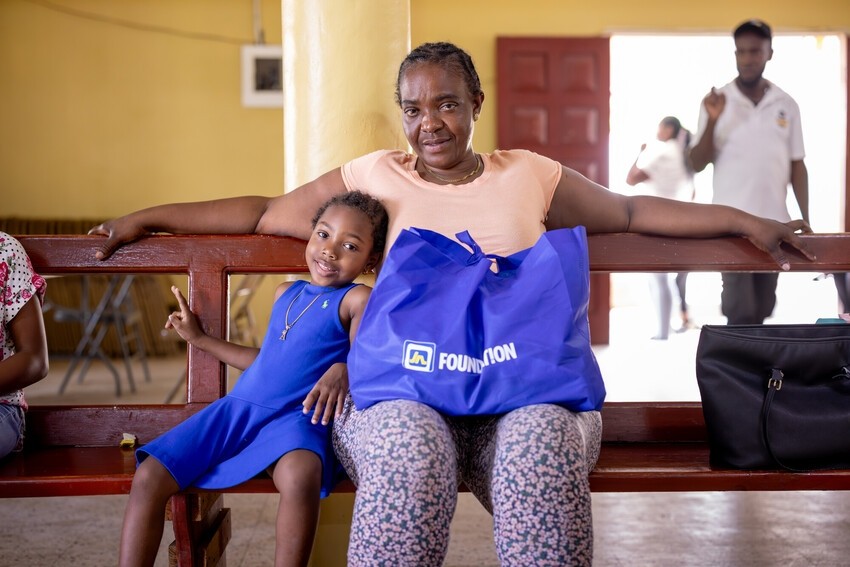
Nikki Coates has been dealing with stomach pain and high stress levels since the hurricane destroyed the home she was building, the home she was renting, and all the goods she used to sell at her roadside stand.
“I can't really tell you how much, but all my money when I save, work, sell, wash away,” she said.
Nikki felt fortunate that the mobile clinic physician provided free medication and treatment recommendations for her acid reflux. Without the clinic, accessing the medicine would have required a 30-minute taxi ride over rough roads to the nearest large town. With limited transportation options in Kew Park, the trip would have been an expense she simply could not afford while struggling to keep her family fed.
She was especially grateful for the food package she received, as well as the reassurance that her blood pressure was normal despite her stress and family history.
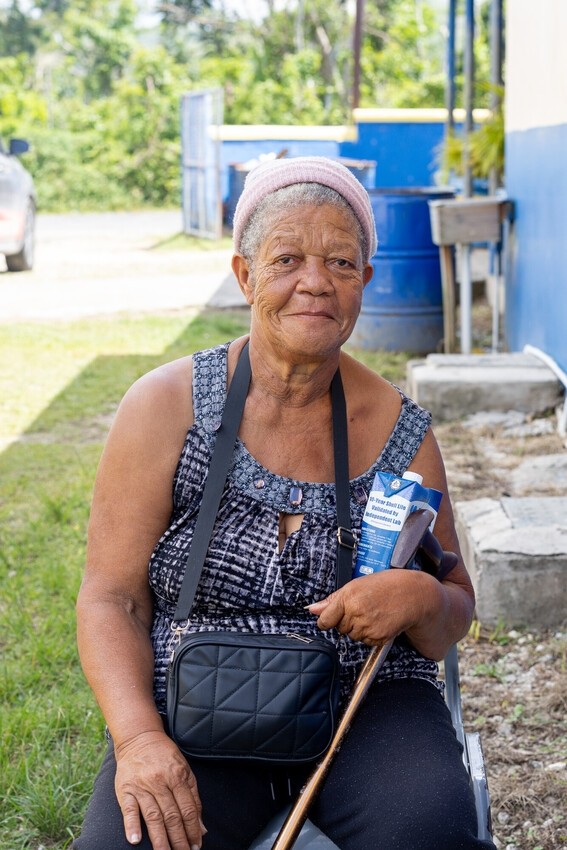
Millicent Ulett, who lives in Kew Park, Westmoreland, was drawn to the mobile clinic because a friend told her all patients would receive a food package.
During her visit, the doctor discovered Millicent’s blood pressure was very high. Millicent has a history of hypertension. She had a stroke several years ago, and she uses a cane due to limited mobility on her left side. She admitted she had not taken her medication that morning.
According to nurse practitioner Karen Miller Bogle, this is not uncommon at the mobile clinics. She says, “A lot of time, persons will come, and they have not taken their medication. When you ask, "Why didn't you take your medication?" [They will say,] "I didn't have any food." Other times, they are rationing their medication or had to choose between purchasing it or buying food.
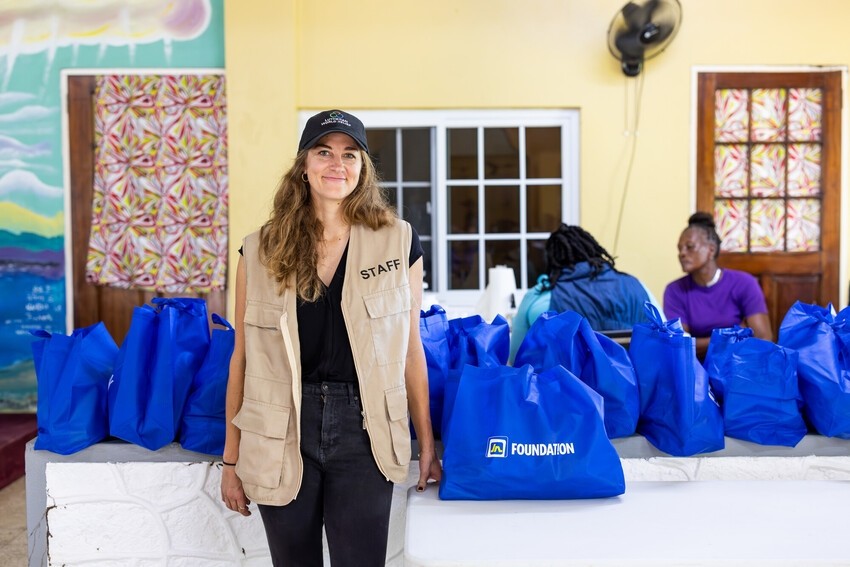
The mobile clinics reflect the strength of locally led partnerships. By bringing together the leadership of the JN Foundation with the medical expertise and resources of St. John Ambulance Jamaica and Cari-Med Group, we are committed to expanding access to health care for communities recovering from Hurricane Melissa.
Learn more about our response from Corus organization Lutheran World Relief:
This response is made possible in partnership with: