-
Corus in Peru
Our Work in Peru
For more than 45 years, Corus International has worked in Peru, under the leadership of Lutheran World Relief, alongside farmers, cooperatives, private companies, and government partners to:
- Promote climate-smart agriculture and more productive value chains, with quality and traceability
- Unlock inclusive growth and jobs through market-driven solutions and local entrepreneurship
- Leverage digital innovation and data at scale to improve decisions and services
- Strengthen humanitarian response to emergencies and disasters, and support displacement management
- Partner with Indigenous and Afro-descendant communities to strengthen livelihoods and social cohesion
- Improve health and nutrition, and advance the economic empowerment of people in vulnerable situations
We co-create results-oriented solutions with the private sector, local and central governments, and academic institutions—driving performance, efficiency, and evidence for better decision-making.
Our Impact
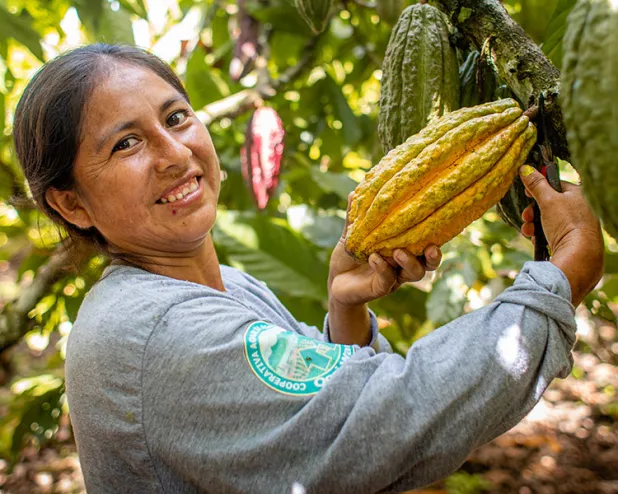
Corus organization Lutheran World Relief led cacao programming for the USDA Food for Progress Maximizing Opportunities in Coffee and Cacao in the Americas (MOCCA) project, which helped 32,503 farmers sell more at better prices, improved their agricultural production and enhanced sector coordination to drive competitiveness and growth. Peru, where 12,063 producers were supported, was one of six countries that was part of the 6-year, $14.3 million project. Through MOCCA, Lutheran World Relief partnered with the private sector to not only invest in improving cocoa quality and yields, but also in the systems that make those improvements possible for the future, such as higher prices, good genetic material for planting, and more direct, feasible and profitable supply chains for smallholder farmers. Lutheran World Relief mobilized USD $9M in financing for Peruvian producers. Farmers also gained access to Cacao Móvil, a smartphone application Lutheran World Relief designed to provide farmers with a comprehensive guide to cocoa cultivation, covering subjects from planting and pruning, to grafting and treating plant diseases. With the dissemination of research provided by the Cocoa Research Center (CRC) and Bioversity, Lutheran World Relief also developed a regional platform for knowledge transfer to strengthen the cacao value chain.
With funding from the Centre for Disaster Philanthropy and the Evangelical Lutheran Church of America, Lutheran World Relief established and continues to expand its digital platform VenInformado, which provides Venezuelan refugees and migrants with critical, accurate and up-to-date information and personalized virtual legal, psychosocial, COVID-19 and livelihoods assistance. We work in close collaboration with local partners Encuentros and Center for Psychosocial Care (CAPS) to provide free guidance on topics ranging from COVID-19 protection and regulations, legal requirements for refugee and residency status, managing mental health, resources for survivors of violence against women and girls, and guidance for starting a small business. To date, the platform has reached 40,000+ users and built a community of 60,000+ social media followers. Through its personalized one-on-one support portal, VenInformado staff have also responded to over 36,000 legal and psychosocial inquiries since its launch in 2018.
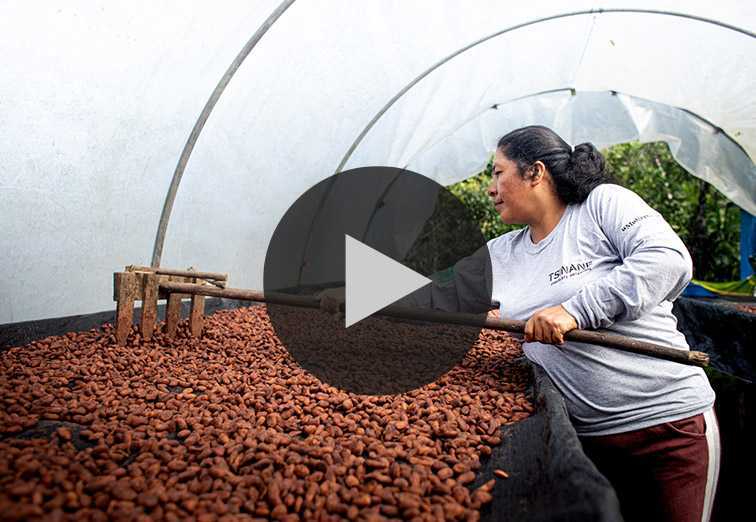
In 2018, Lutheran World Relief helped 35 women launch the Qori Warmi cooperative in Peru's VRAEM region. With Lutheran World Relief's continued support via training in cacao crop management, post-harvest processing, and business skills, Qori Warmi has grown to more than 85 members and established the award-winning chocolate company, Tsinane. This initiative not only boosts family incomes and promotes environmental responsibility but also champions cacao as a high-value, legal alternative to coca, which is widespread in the VRAEM.
Demonstrating its success and local integration, Qori Warmi began constructing a new chocolate processing plant in 2025, funded through the Peruvian government’s PROCOMPITE program. This shows the enterprise is successfully scaling with local financing, creating a sustainable model for change.
Lutheran World Relief provided consistent, accurate, and credible COVID-19 and vaccine information to combat misinformation, myths, fears and distrust related to the virus and vaccines among Venezuelan migrants and refugees, rural mining and smallholder farming communities in Peru, as well as rural cacao and coffee producers across Peru and Latin America. Through a twofold communications campaign, the project provided critical, lifesaving COVID-19 and vaccine information to 75,000 individuals in Peru and elsewhere in Latin America utilizing our existing digital platforms VenInformado and Cacao Móvil while also targeting members of rural Peruvian communities that take part in LWR’s current rural development projects.
Through joint funding from the U.S. Government and Gold Fields and in close collaboration with local leaders, Lutheran World Relief implemented this three-year project to strengthen local capacity to design and implement climate change adaptation plans and policies. The project successfully reduced community conflict over water rights in two target watersheds by establishing linkages between water users.
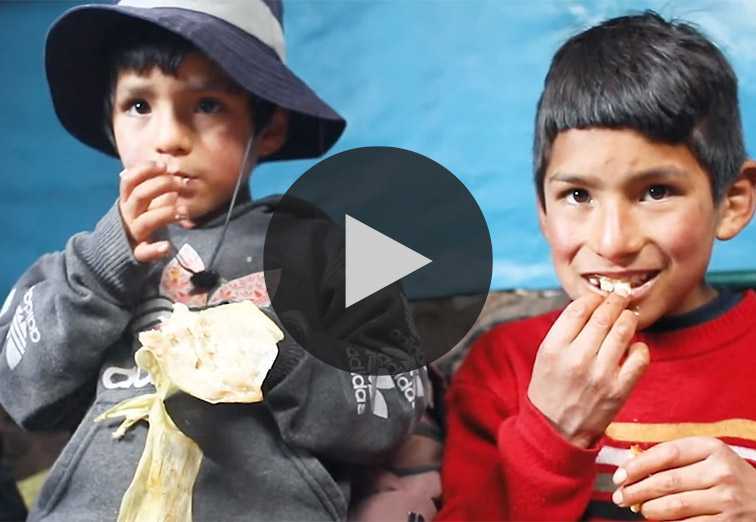
Lutheran World Relief has been working with local partner CEDINCO (Center for Comprehensive Development of Communities) since 2011 to improve food security, strengthen livelihoods and support health and nutrition in Castrovirreyna, a remote Andean region of Peru. Through our Promotion of Favorable Environments for Food Security and Family Nutrition in Castrovirreyna project, in collaboration with Growing Hope Globally, we work to increase yields of nutritious food by training Indigenous farmers on organic production methods, including seed banks, post-harvest storage and family greenhouses. By strengthening small livestock rearing and the availability of natural iron supplements, not only do families have greater access to meat but childhood anemia is decreasing. Farmers are also trained to market their organic potato and vegetable crops — for example, selling to organic potato chip markets in Europe — and manage their farm income. The project coordinates with educational institutions and health facilities to promote social and behavioral change that advances good nutrition and hygiene habits. Home visits raise awareness about anemia and parasites, teach children about the importance of hand washing and improve household WASH practices.
With funding from Nexa Resources, Lutheran World Relief strengthened rural educational institutions in the mining region of Pasco, Peru by training students and teachers to properly use and maintain their school water and sanitation facilities, improving access to and application of digital teaching and learning resources, and promoting the active involvement of parents and family members in the management and maintenance of school infrastructure.
Resources for Latin America
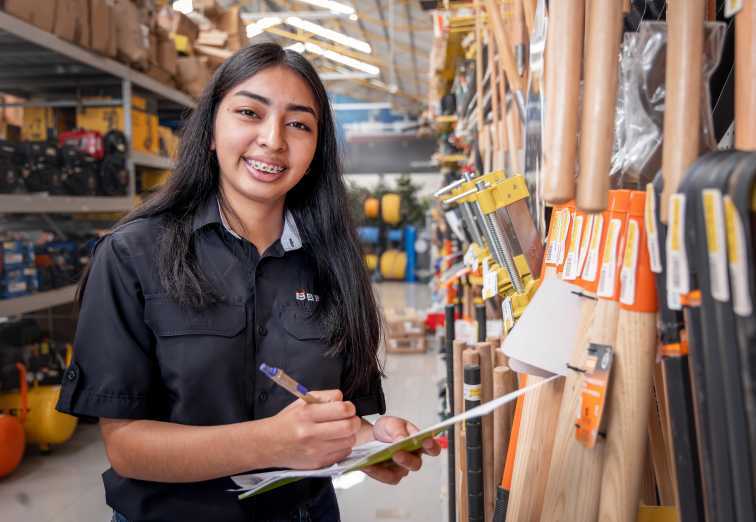
Empleando Mentes
A digital space for youth to receive professional guidance, information and support to develop their soft skills, emotional and mental wellbeing, and more as part of workforce development.
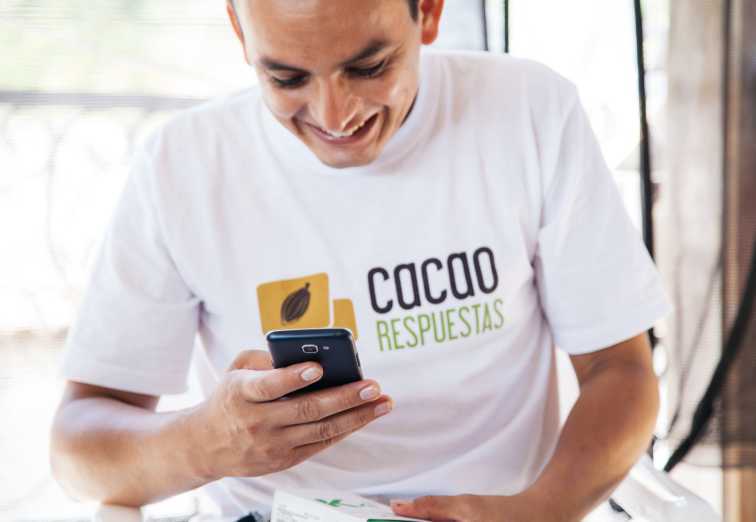
Cacao Móvil
A digital training platform that delivers agricultural extension support directly to cacao producers’ phones.
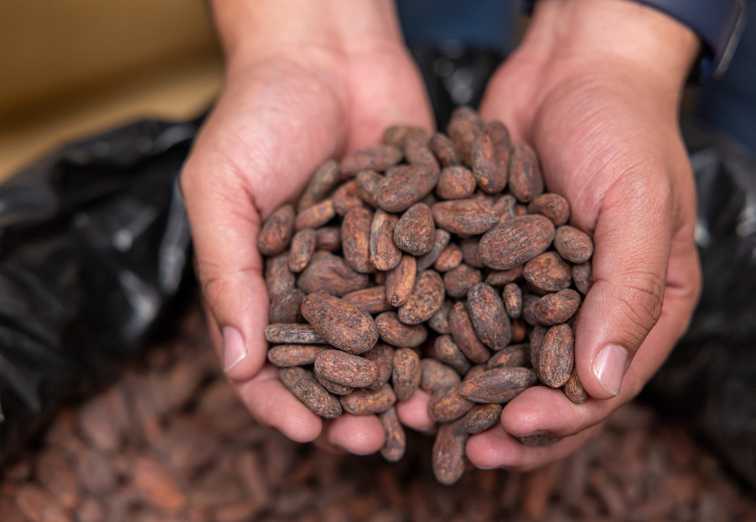
Cocoa Flavor Map
A digital tool that highlights the unique sensory profiles of cocoa grown in different regions, helping farmers connect with specialty markets by showcasing flavor attributes like fruitiness, acidity and aroma.