Women Farmers Grow Brighter Futures: Stories of Perseverance from Ukraine, Peru and South Sudan
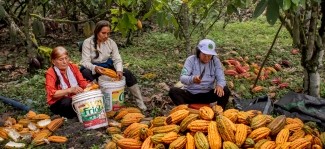
Elsa Ospino (center), a Lutheran World Relief agronomist, shells recently harvested cacao pods alongside Bernardina Gutierrez Sosa (left) and Sonia "Doris" Rodriguez Nyosa (right) from the Qori Warmi women's cacao cooperative.
Women play an essential role in feeding families and sustaining rural economies. Across the world, they grow crops, manage livestock, preserve food, run businesses and pass agricultural knowledge to the next generation. Yet their contributions often remain overlooked and under-supported.
In this blog, Corus highlights three powerful stories of women we have worked with through our agriculture and livelihoods development organization Lutheran World Relief in Ukraine, Peru and South Sudan. Their stories show how supporting women farmers strengthens food security, value chains, and indeed, entire communities.
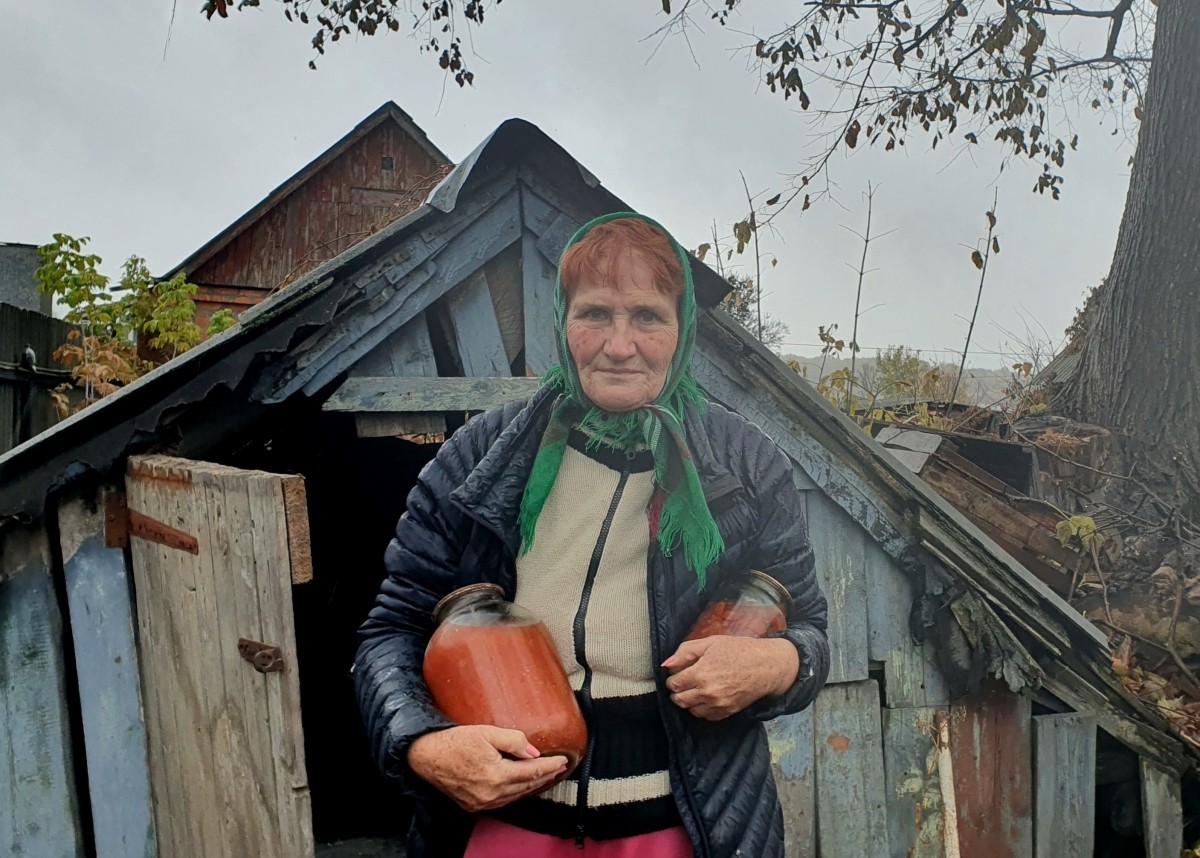
Nadia in Ukraine: Farming Through Conflict
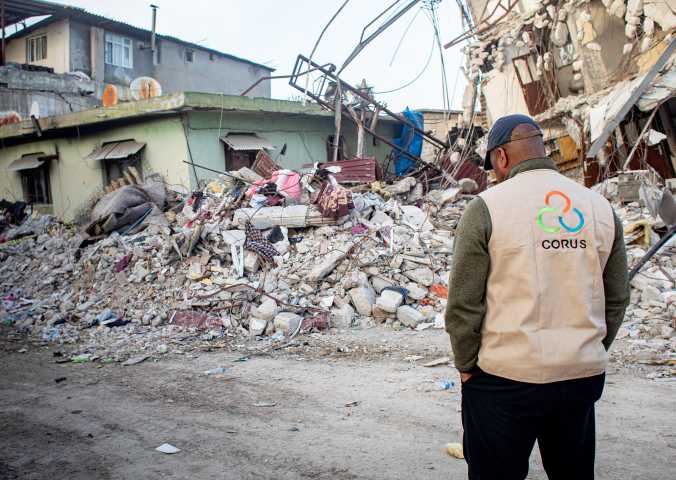
Nadia has spent much of her 63 years farming the soil of Derhachi in Ukraine’s Kharkiv Oblast. When the war reached her village, fields she once tended with confidence suddenly became dangerous, and most residents were forced to flee. She remained but was unable to work the land that had sustained her family for decades.
When Corus International reached her community with support from the Center for Disaster Philanthropy, Nadia received a comprehensive “Borscht Seeds” kit that included tomatoes, cabbage, onions, carrots, beets and dill, along with essential tools such as a grass cutter, chainsaw and electric sprayer. For the first time since the conflict began, she said, she felt her life lifting back toward stability.
The Women of the VRAEM: Rising from a History of Conflict to Lead a Chocolate Revolution
In Peru’s VRAEM region—one of the country’s most remote and impoverished areas—women have long shouldered the responsibility of caring for their families amid instability. For years, many households depended on coca cultivation, a crop linked to violence and trafficking that left families vulnerable and options limited.
A turning point arrived when farmers discovered that the valley’s rich soil could support something far more hopeful: a prized native cacao valued in global markets. With support from Lutheran World Relief, a group of women organized themselves into a cooperative called Qori Warmi, meaning “Women of Gold.” They began learning every stage of cacao production, from soil preparation and fermentation to marketing and chocolate‑making.
What started with 35 members soon grew to 85 as more women saw the potential of high‑quality cacao. Their confidence expanded alongside their skills, and as their beans improved, local middlemen could no longer dismiss their work or dictate unfair prices. Instead, the farmers began selling their cacao at rates that accurately reflected its value.
Their transformation didn’t stop at farming. The cooperative founded Tsinane, their own chocolate company, which quickly drew international attention. Tsinane has already won several awards, including a top prize at the Salon du Chocolat in Paris—one of the world’s premier chocolate competitions. Enma, a member who once doubted she’d ever leave her remote rainforest community, traveled to France to accept the award on behalf of the cooperative. The journey felt surreal to her, and it inspired her children, who now imagine broader futures for themselves.
Through cacao, these farmers have created new sources of income, strengthened their communities and stepped confidently onto the global stage as leaders in their field.
Making chocolate — and defying the odds — in Peru’s VRAEM region
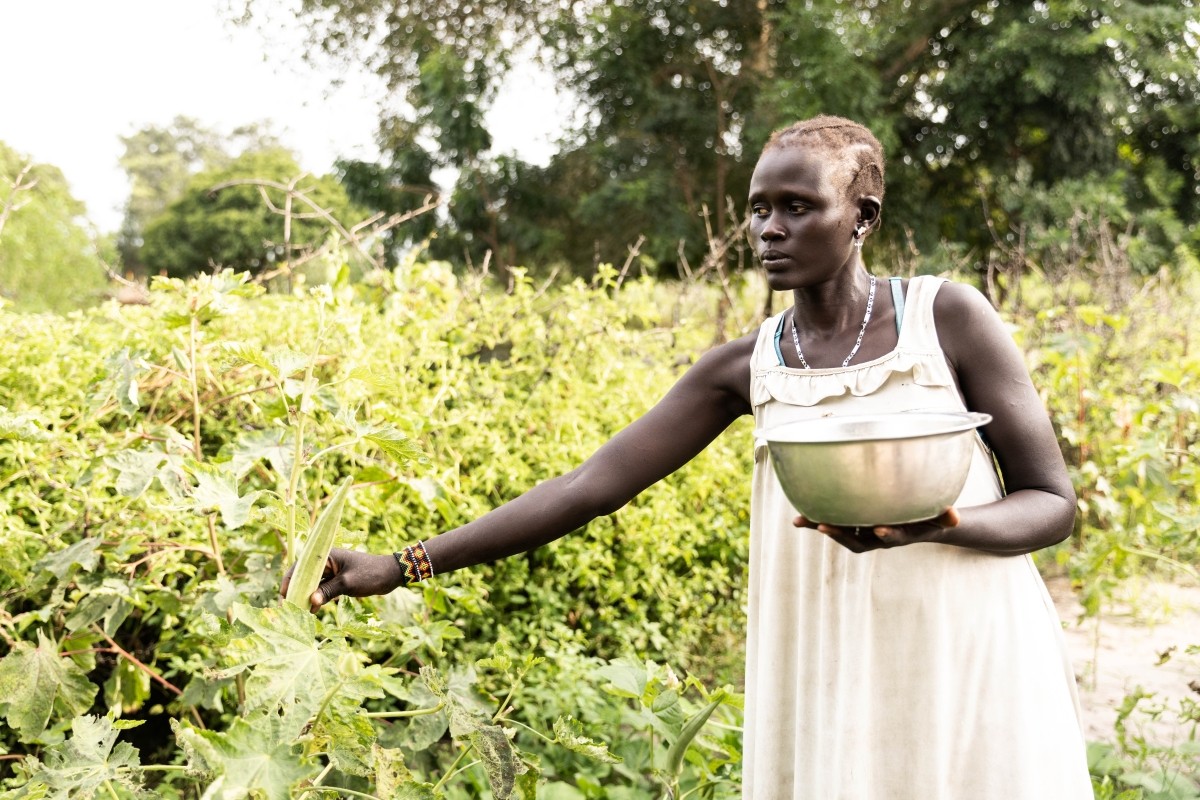
Nyalual in South Sudan: Rebuilding Life Through Land, Learning and Community
For Nyalual Mathieng, the civil war in South Sudan brought unimaginable loss. Widowed and solely responsible for her children, she struggled to envision how she could provide for them. When flooding forced her family to flee by canoe and on foot, every day became a test of survival.
Their arrival in Ayod marked a turning point. When her youngest child fell ill, a health worker recognized signs of malnutrition and connected her with the LOSIH project, led by Lutheran World Relief. Since 2020, the project has supported nearly 10,000 individuals—mostly women—by offering training in agriculture, poultry, fishery, marketing, finance and business management. Participants have launched enterprises that now benefit more than 52,000 community members.
For Nyalual, the project offered seeds, farming tools and essential nutrition training. She began cultivating vegetables and sorghum, producing enough to feed her family and sell the surplus at the market. Her income grew, and with it her confidence. Her children are now in school, and she has become part of a supportive network of widows who help one another with childcare and emotional support during uncertain times.
As her farm expands, so does her vision for her children’s future. “I am planning for a better life for my children,” she says with determination.
Why These Stories Matter
Women contribute nearly half of the global agrifood workforce, yet they are often the last to receive land rights, tools, financing or access to training. When those barriers are removed—as in the cases of Nadia, the Qori Warmi farmers and Nyalual—the impact ripples outward. Families become more food secure. Children receive better nutrition and education. Local markets strengthen. Communities become more resilient to crisis.
These women are not just growing crops. They are cultivating stability, opportunity and brighter futures.
FAQs
Women farmers play a central role in producing food, managing household nutrition and sustaining rural economies. In many communities, they are responsible for growing staple crops, preserving food for winter months and passing down agricultural knowledge to younger generations. When they have equal access to tools, training and resources, food security improves for entire families and communities.
Many women farmers lack access to land, financing, quality seeds, tools, training and fair markets. These barriers often limit their ability to increase yields or earn sustainable income. Despite these obstacles, women continue to lead food production and community resilience, especially in places affected by conflict, displacement or poverty.
When women farmers receive training, tools and resources, their crops improve, household nutrition strengthens and children are more likely to attend school. Their increased income boosts local markets, and entire communities become more resilient to conflict, climate shocks and economic hardship. Support for women farmers creates long‑lasting positive change.