Preventing and eliminating neglected tropical diseases (NTDs) in South Sudan
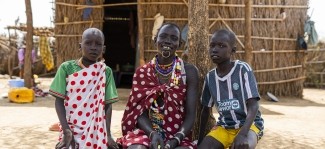
Maritha brought her son Lokorai and her nephew Lopnboai to Kapoeta Mission Hospital in South Sudan for visceral leishmaniasis (VL) treatment after they contracted the devastating neglected tropical disease. (Photo by Ala Kheir/The END Fund)
For nearly two decades, Corus organization IMA World Health has worked alongside government institutions, local partners and communities to strengthen health systems across South Sudan. In contexts marked by fragility, conflict and limited infrastructure, our approach centers on strengthening local capacity so essential health services can reach the people who need them most.
As part of this broader commitment, IMA World Health partners with organizations such as The END Fund to help prevent, control and ultimately eliminate neglected tropical diseases (NTDs). These diseases disproportionately affect communities facing poverty, displacement and barriers to care, yet they are preventable and treatable when health systems are equipped and communities are informed.
The photo story below offers a glimpse into daily life, care-seeking and community engagement in and around Kapoeta, where health workers, families and volunteers are working together to confront visceral leishmaniasis (VL), also known as kala-azar, a parasitic disease spread by sand flies that can be fatal if left untreated.
All photos by Ala Kheir/The END Fund.
Photo Story: Confronting visceral leishmaniasis (VL) in South Sudan
At Kapoeta Mission Hospital, patients from across Kapoeta South County come seeking diagnosis, treatment and care. Serving a vast and often underserved population in Eastern Equatoria, South Sudan, the hospital plays a crucial role in delivering essential health services in a setting where infrastructure is limited and access to medical care remains a major challenge.
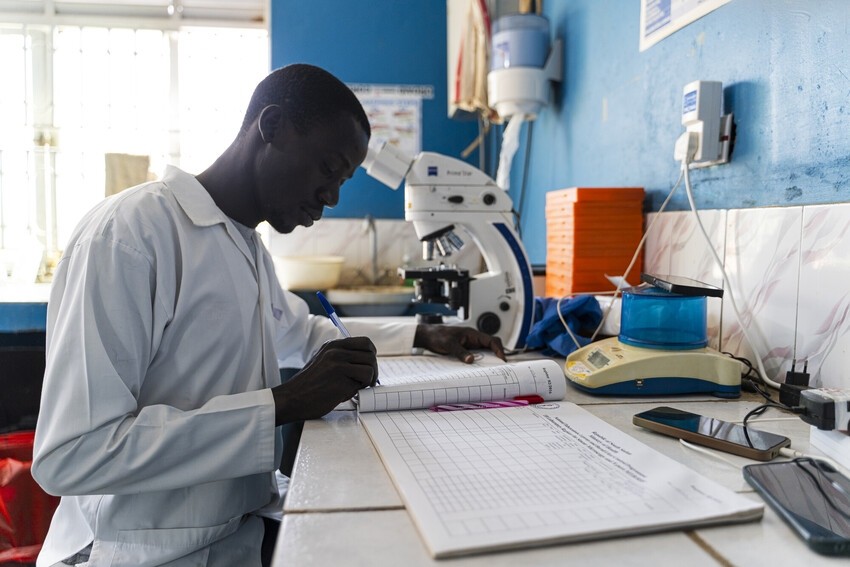
Dedicated teams from the Sudanese Ministry of Health and IMA World Health, are working to overcome difficult conditions to find and treat people with VL in South Sudan.
Murun Loro, who lives on the outskirts of Kapoeta town, is caring for her son who was recently diagnosed with VL.
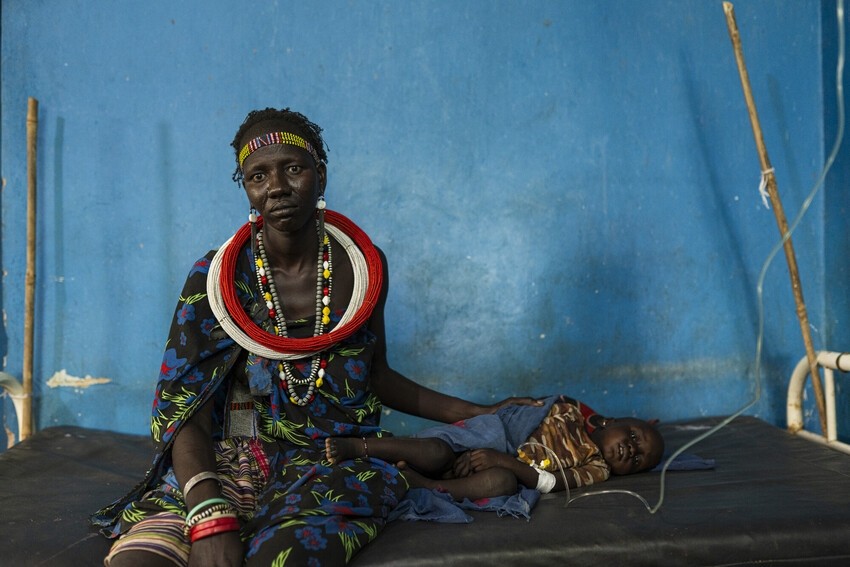
Reaching a health facility is only one part of the challenge. Completing a full course of treatment can be difficult for patients who must balance medical care with family responsibilities, travel constraints and the realities of life far from home.
Charity Sebit, the nurse overseeing the administration of VL treatment at Kapoeta Mission Hospital, explains a critical challenge in patient care.
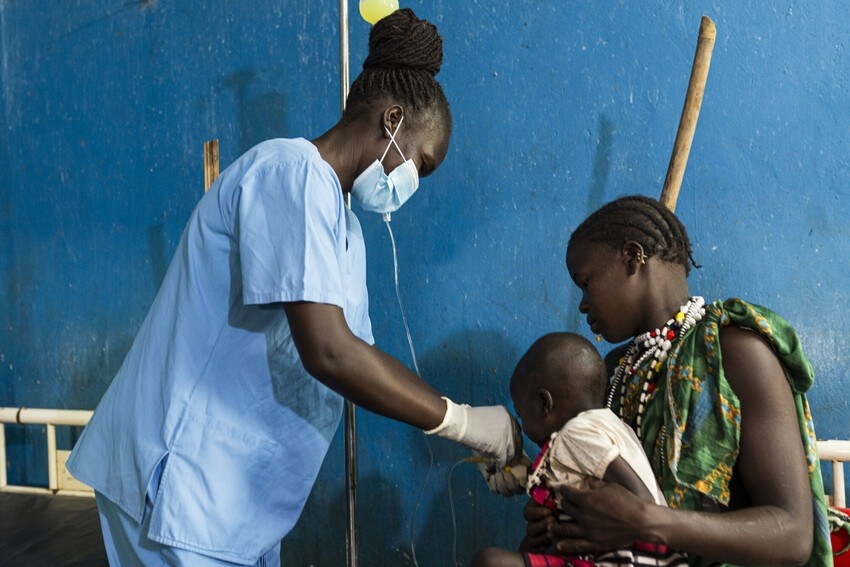
“Ideally, patients should stay at the hospital until they complete the full course of treatment,” she says. “But because many come from remote areas, they often leave as soon as they start to feel better, and that’s a big problem.”
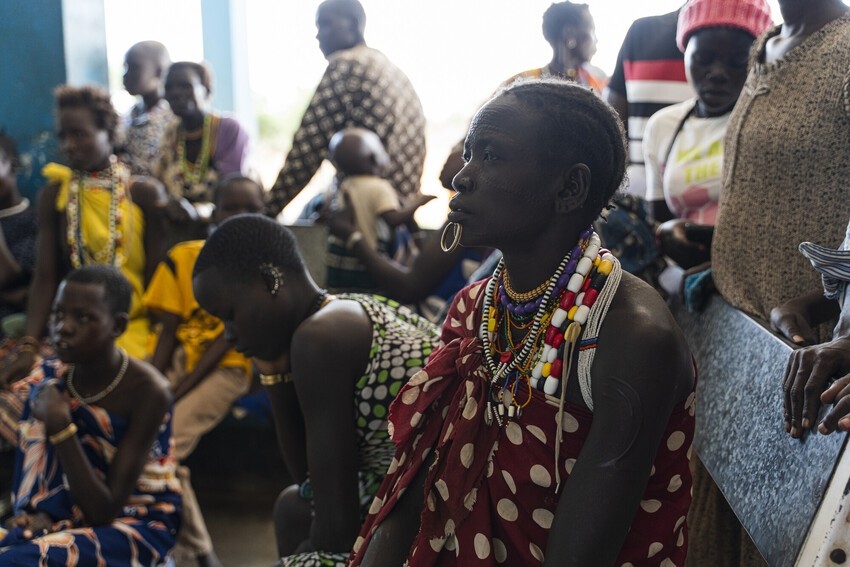
Maritha brought her son Lokorai and her nephew Lopnboai to Kapoeta for VL treatment after traditional methods failed to help. They traveled from Lociao village, east of Kapoeta, and are now staying with relatives in town until the treatment is completed.
“Many people back home are suffering,” Maritha says, “but the distance makes it difficult to reach the hospital.”
Reaching families beyond health facilities is an essential part of addressing VL. Community outreach helps ensure that accurate information about symptoms, prevention and treatment reaches people where they live.
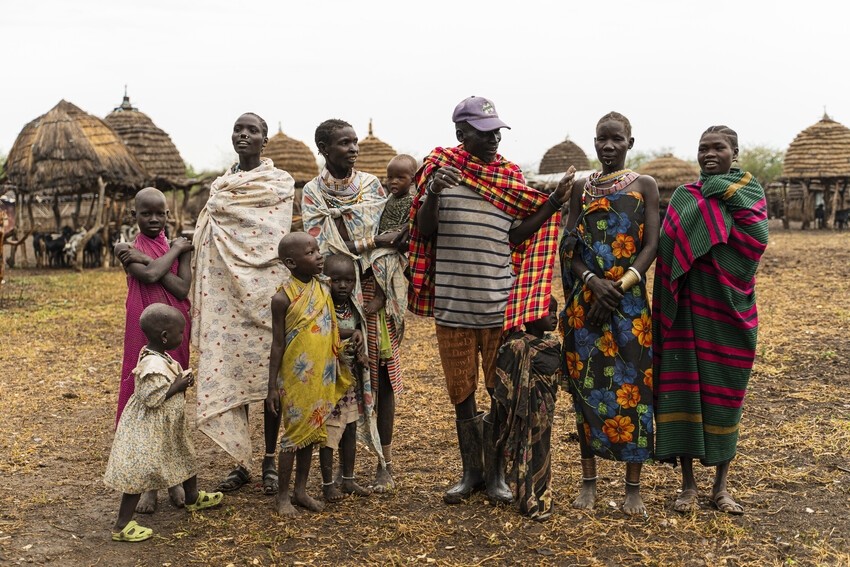
For families like Atiol’s, access to health information can be as important as access to care. Living on the outskirts of Kapoeta town, engagement through community outreach helps bridge the gap between daily life and available health services.
IMA World Health and the Ministry of Health regularly host community awareness sessions both at the hospital and within surrounding villages to educate people about VL. These efforts help connect families with information and services, extending the reach of care far beyond Kapoeta town.
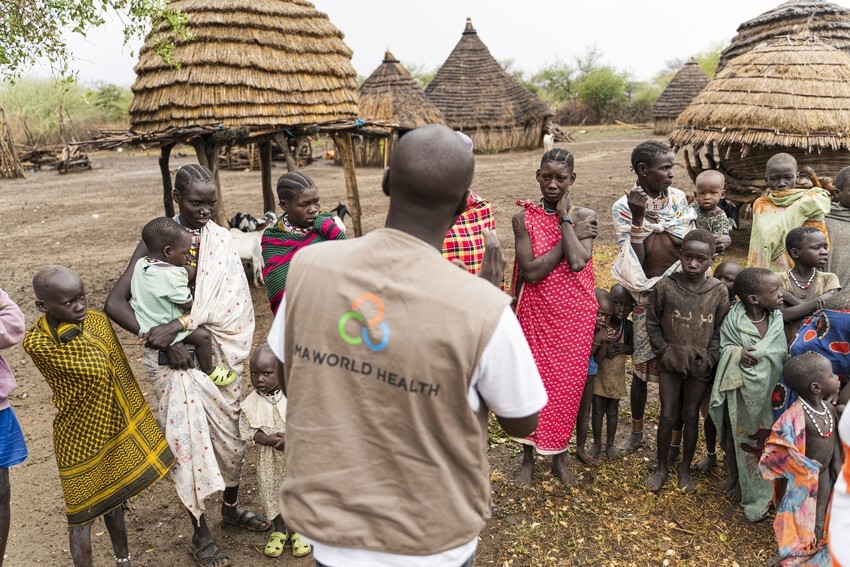
By working in partnership to address neglected tropical diseases like VL, health providers and communities across Kapoeta are strengthening access to information, prevention and care.
FAQs
Neglected tropical diseases (NTDs) are a group of preventable and treatable infectious diseases that primarily affect people living in poverty in tropical and subtropical regions. They are caused by parasites, bacteria, viruses, and fungi and are spread through contaminated water, insects, soil, or close contact. NTDs can cause long-term illness, disability, blindness, and stigma if left untreated. While they impact more than a billion people worldwide, NTDs often receive limited funding and attention—making early detection, prevention, and access to treatment critical for control and elimination.
Visceral leishmaniasis (VL), also known as kala-azar, is a severe and potentially fatal neglected tropical disease caused by a parasite transmitted through the bite of infected sand flies. VL attacks the immune system and internal organs, including the liver, spleen, and bone marrow. Common symptoms include prolonged fever, weight loss, fatigue, anemia, and enlargement of the spleen and liver. Without timely diagnosis and treatment, visceral leishmaniasis is often deadly, but with early detection and proper care, it is preventable and treatable.
IMA World Health is working to prevent, detect, and treat visceral leishmaniasis (VL) by strengthening local health systems. IMA supports health facilities in high-burden areas by providing VL medications and diagnostics, training health care workers to identify and treat cases, and deploying community health volunteers to raise awareness and improve early care-seeking. In support of governments' national VL strategy, IMA improves integration of VL services into primary health care, strengthens health facility management, enhances lab-based surveillance and data sharing, expands rapid testing for earlier case detection, and facilitates national and state-level planning to control and ultimately reduce VL transmission.
In addition to visceral leishmaniasis (VL), IMA World Health prevents and treats five other neglected tropical diseases (NTDs): lymphatic filariasis, onchocerciasis (river blindness), trachoma, schistosomiasis, and soil-transmitted helminths (intestinal worms). IMA works with governments and local partners to deliver large-scale prevention and treatment programs, including mass drug administration in countries such as Haiti, South Sudan, Tanzania, and the Democratic Republic of Congo. IMA uses evidence-based strategies to map disease burden, scale up interventions, and strengthen national NTD programs. In addition to prevention, IMA provides morbidity management services to reduce long-term disability, including surgical interventions to relieve pain and prevent blindness for people affected by trachoma.