Corus International at Chocoa 2026: Advancing Farmer-Centered Solutions in the Global Cocoa Sector
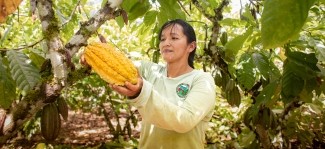
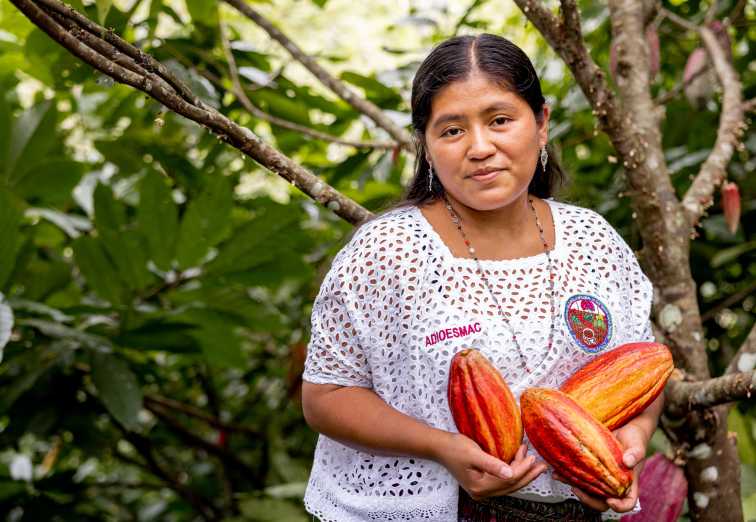
Nora "Enma" Mendez Sinchitullo is a founding member of Qori Warmi, a women-led cacao cooperative in Peru's VRAEM Region. Supported by Corus organization Lutheran World Relief, she champions the inclusion of women in the cacao industry.
Today’s chocolate industry faces growing pressure from climate volatility, regulatory requirements, quality expectations, and the need to ensure viable livelihoods for the smallholder farmers who produce the vast majority of the world’s cocoa. For nearly four decades, Corus International, through our lead agricultural development organization Lutheran World Relief, has partnered with farmers, governments, and private sector actors to turn these challenges into long-term opportunities across global cocoa markets.
At Chocoa 2026, Corus is engaging with industry partners to advance resilient, traceable, and commercially viable cocoa systems, while supporting the stability and quality the chocolate sector depends on through farmer-centered solutions.
A regenerative, value chain approach to cocoa
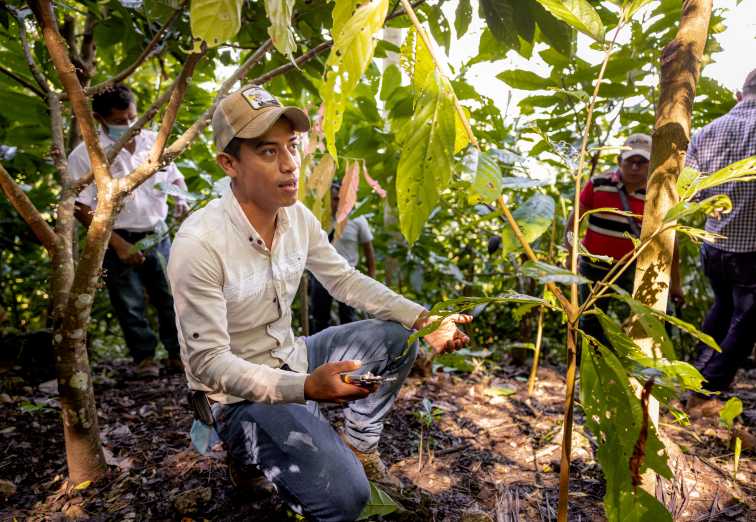
Corus International’s cocoa work is grounded in a regenerative agriculture, value chain approach that improves productivity, quality, and environmental performance at origin. We support farmers’ access to improved planting material, agronomic training, and post-harvest technologies, while strengthening local organizations and extension systems. Regenerative practices—such as agroforestry, soil restoration, organic composting, and natural pest management—help protect cocoa trees from climate extremes, improve yields and bean quality, and reduce reliance on chemical inputs.
These approaches also support compliance with evolving regulatory frameworks, including the European Union Deforestation Regulation (EUDR), enabling farmers and supply chain partners to maintain access to critical European markets while reducing environmental risk.
Market-driven programs aligned with industry needs
Corus led cacao programming under the Maximizing Opportunities in Coffee and Cacao in the Americas (MOCCA) project, funded by the U.S. Department of Agriculture (USDA) and implemented through a consortium led by TechnoServe. Operating across six countries in Latin America, MOCCA applied a market systems approach that increased yields through agroforestry, strengthened quality management, professionalized farmer organizations, and facilitated stronger commercial linkages between producers and buyers—helping deliver consistent, market-ready supply.
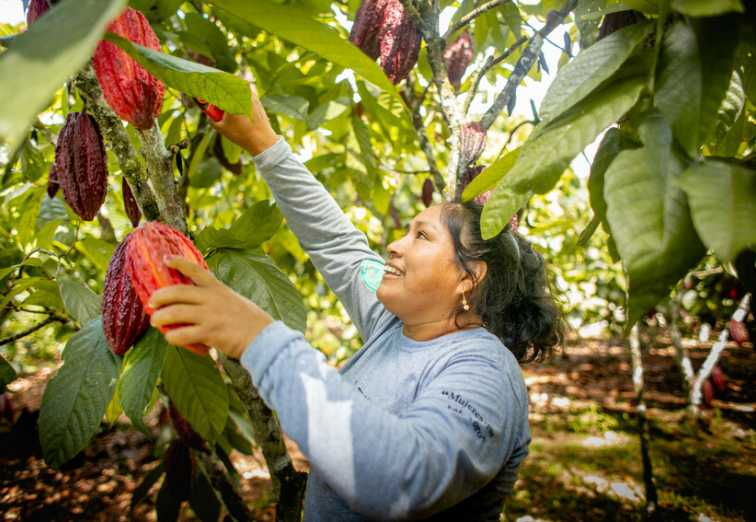
In Peru’s VRAEM region, Corus has supported the development of fine flavor cacao, working closely with key local partner Qori Warmi, a women-led cooperative who plays a central role in quality control, governance, and inclusive sourcing models increasingly valued by chocolate brands. Together, we have combined regenerative agricultural practices, post-harvest quality protocols, and export market access to elevate VRAEM cacao as a differentiated origin.
Learn more about our long-standing work with the Qori Warmi cooperative advancing women’s leadership and promoting sustainable livelihoods in cacao.
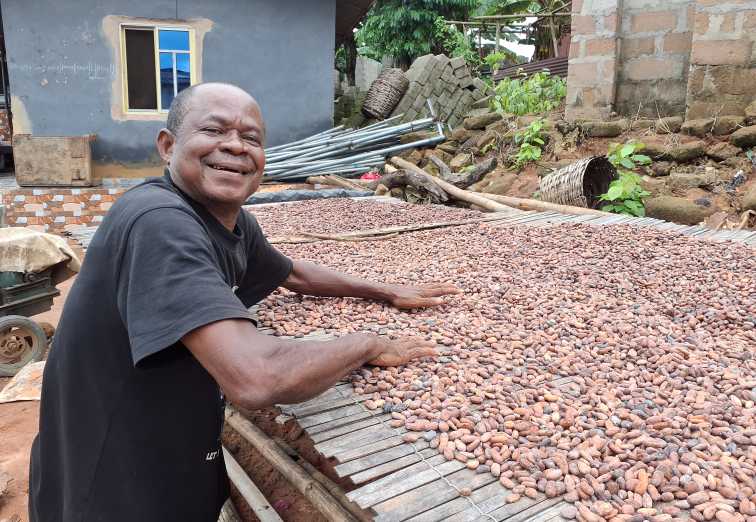
In Nigeria, Corus currently leads the USDA Food for Progress Traceability and Resilience in Agriculture and Cocoa Ecosystems of Nigeria (TRACE) project. TRACE strengthens productivity through regenerative agricultural practices while establishing comprehensive, farm-to-export traceability systems aligned with global due diligence and compliance standards. More than 68,400 smallholder farmers are being trained, supporting increased volumes, improved consistency, and verifiable sourcing data.
Differentiation, traceability, and technology at origin
Corus works closely with industry and origin partners to help cocoa producers differentiate their product and connect more effectively with buyers. In partnership with ZOTO, we developed the Central America Regional Cocoa Flavor Map, which documents distinct flavor profiles from farmer and cooperative partners in El Salvador, Nicaragua, and Honduras. This tool enables fine and specialty chocolate makers to identify origins and producers that match specific flavor and quality requirements—reducing sourcing friction and improving price discovery.
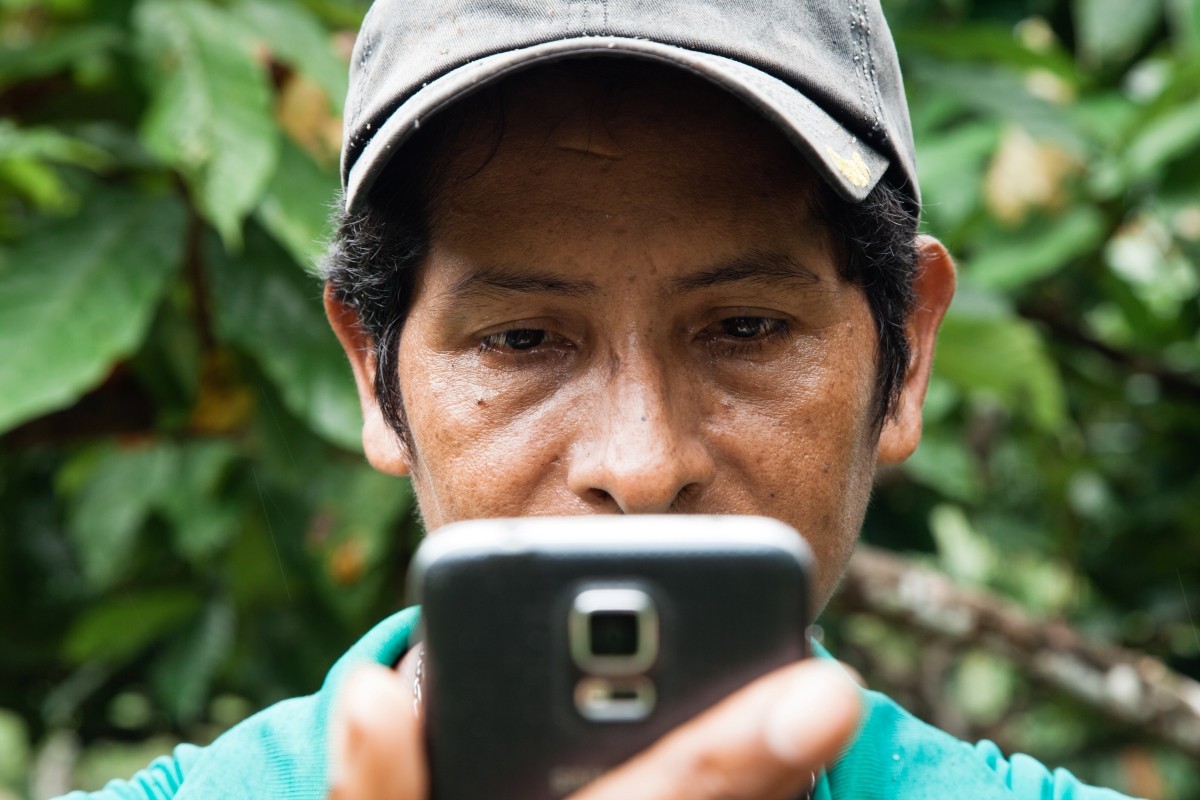
Technology plays a central role in this work. Our custom smartphone application Cacao Móvil provides farmers with real-time access to agronomic guidance, weather data, disease alerts, and market information. The platform also supports data collection for traceability and sustainability reporting, while creating jobs for local youth trained as agricultural data collectors and extension professionals—strengthening the service ecosystem that underpins reliable supply.
Advancing cocoa markets through innovation and investment
Corus provides market access solutions tailored to the needs and priorities of individual producers, cooperatives, and companies—connecting origin, strategy, and demand in ways that create long-term value. At Chocoa 2026, we are pleased to partner once again with ZOTO and to showcase Wanki, a distinctive cacao flavor profile developed with Cacao Oro in Nicaragua.
Corus’ engagement with the cocoa and chocolate industry extends beyond development programming into private sector investment through Ground Up Investing, our impact investing platform. Ground Up provides patient capital to mission-driven cocoa and chocolate enterprises that deliver strong commercial performance alongside social and environmental outcomes.
Investments include Uncommon Cacao, a leader in transparent trade and direct sourcing; To’ak Chocolate, which works with growers and conservationists to preserve Ecuador’s Ancient Nacional cacao while serving ultra-premium markets; and Latitude Chocolate in Uganda, demonstrating full bean-to-bar vertical integration at origin. These models show how innovation in sourcing, processing, and trade can strengthen farmer livelihoods while delivering quality, traceability, and resilience for buyers.
Centering farmers at Chocoa 2026
A resilient cocoa sector depends on meaningful farmer participation in shaping its future. That is why Corus International is proud to sponsor Chocoa Farmers’ Day during Amsterdam Cocoa Week—a dedicated forum designed to center farmer perspectives within global cocoa conversations.
Chocoa Farmers’ Day creates space for cocoa farmers and farmer representatives to connect directly with peers, industry experts, and decision-makers. The program features farmer-focused panel discussions on priority issues across cocoa value chains, alongside interactive roundtables that foster open dialogue and turn shared challenges into practical, actionable solutions. By supporting this platform, Corus aims to strengthen collaboration across the sector and ensure that farmer voices inform the policies, partnerships, and business models shaping cocoa’s future.
Stay Connected
Corus International unites an array of nonprofit organizations and businesses, each with specialized expertise — from health to technology to economic development to emergency response. Our traditional and nontraditional approaches bring together the multi-dimensional, holistic solutions needed to truly achieve lasting change.
Do you want to learn more about our cocoa work and holistic programming?

FAQs
Corus International works with smallholder cocoa farmers, cooperatives, governments, and private sector partners to strengthen resilient, traceable, and market-ready cocoa value chains. Through regenerative agriculture, improvements in quality and traceability, and market access solutions, Corus helps farmers improve livelihoods while supporting reliable supply for the chocolate industry.
Corus supports cocoa farmers by improving access to climate-resilient planting material, regenerative farming practices, post-harvest technologies, and digital tools. These approaches help farmers increase productivity and quality, adapt to climate volatility, and connect more effectively to buyers seeking consistent, differentiated cocoa.
Farmer participation is essential to building resilient and sustainable cocoa markets because farmers shape production quality, environmental outcomes, and long-term supply stability. By centering farmer voices through partnerships, technology, and platforms like Chocoa Farmers’ Day, Corus helps ensure that policies, investments, and business models reflect on-the-ground realities.