Agua es vida: How Salvadoran communities are preparing for the next emergency
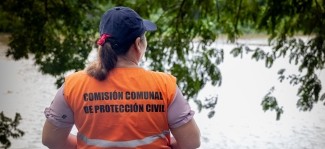
Cristabel Ponce de Chávez is the community coordinator for the Community Civil Protection Commissions (CCPC) in the village of Puente Cuscatlán, located in the Usulután department of El Salvador.
This blog was authored by Caldwell Bishop, Strategic Partnerships Manager for Corus International.
In early October, I joined partners from Margaret A. Cargill Philanthropies (MACP) to visit Salvadoran communities where Lutheran World Relief is working to strengthen disaster preparedness and response.
Our journey carried us from the shores of Usulután to the mountains of Morazán, crossing diverse regions and landscapes facing varied and changing natural risks. From coastal waters that sustain fishing and aquaculture, to forested volcanic slopes where families share resources with pumas and other wildlife as they grow coffee, cacao and plantains, water connects every aspect of life here. For these communities, protecting and managing local water resources is also protecting their future.
Building disaster preparedness from the ground up
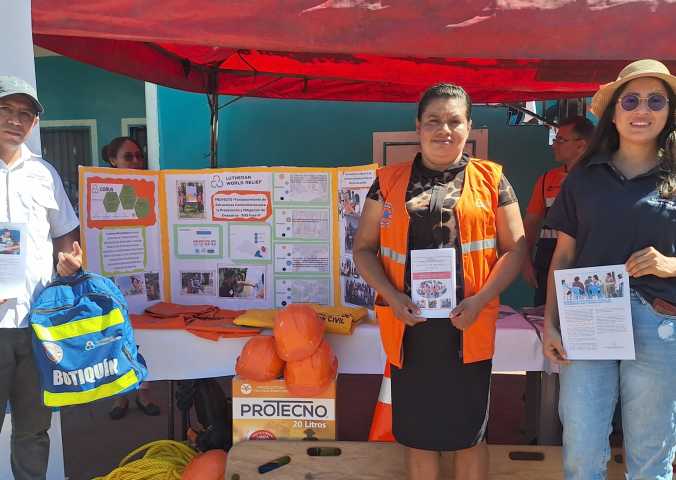
In El Salvador, Community Civil Protection Commissions (CCPCs) are the foundation of the country’s disaster preparedness system. Established under national law, they organize and mobilize communities before, during and after emergencies. Yet many communities historically lacked the resources to train and sustain active CCPCs.
Through our partnership with MACP, Lutheran World Relief is strengthening these local committees — aligning with national frameworks and adapting international guidance into practical, accessible training materials for community use. At the same time, El Salvador’s legal framework for watershed protection (2022 Ley de Recursos Hidricos) reinforces the importance of community-led management of local water systems. Together, these policies create an enabling environment where communities can take action, supported by organizations like Lutheran World Relief that help turn policy into local leadership and coordinated disaster readiness.
From the shores of Usulután: Puerto Ramírez and Los Esperanza
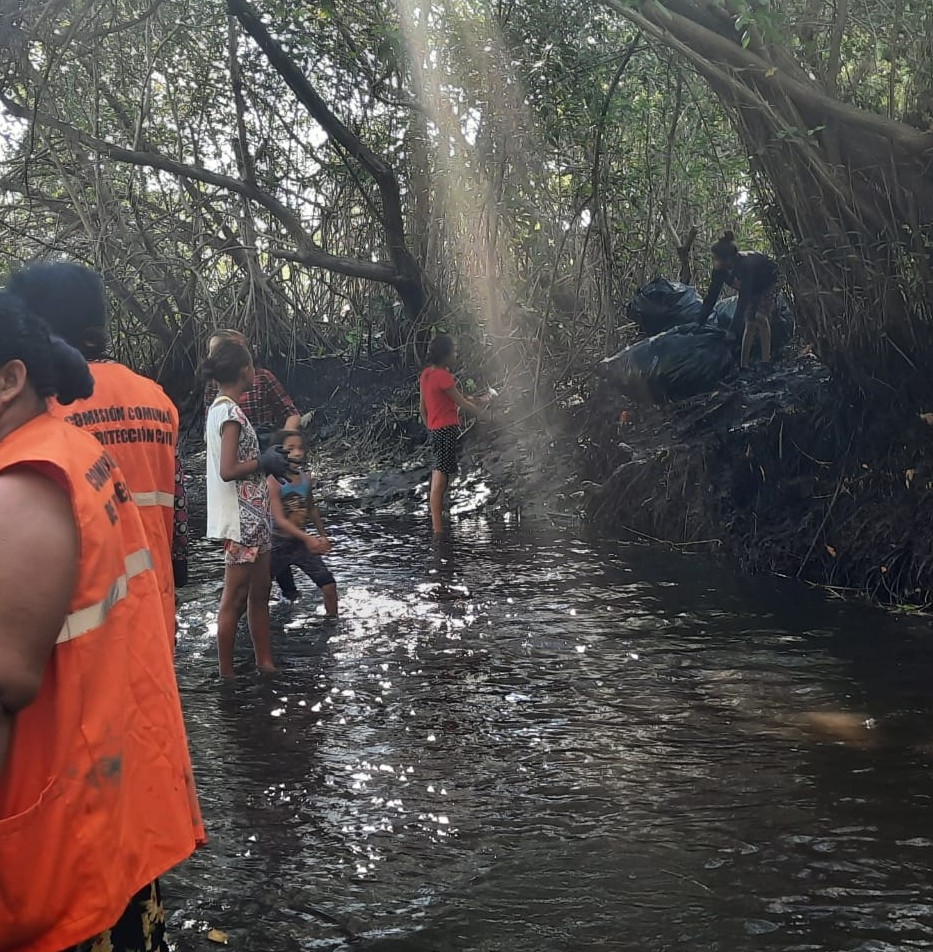
In Puerto Ramírez, families depend on nearby estuaries and mangroves for fishing, aquaculture and small-scale agriculture — vital sources of food, income, and natural defenses against storm surges and eroding shorelines. Here, environmental stewardship and disaster preparedness are inseparable. Community members lead clean-up campaigns to remove plastic and other waste that flow downstream from neighboring towns — debris that can block drainage, damage mangrove roots and worsen flooding during heavy rains.
The community is also working to launch a waste collection model that will bring environmental and economic benefits. Recyclables will be gathered and sold to a regional buyer, turning what once endangered waterways into a modest but meaningful source of income that can support locally-led preparedness initiatives, such as maintaining evacuation routes or reinforcing flood barriers.
Just inland, in Los Esperanza, community leaders shared how the local CCPC and savings group work hand-in-hand. The savings group provides small loans to local business owners — often women — and reinvests the interest into mini-projects that strengthen community disaster preparedness, such as maintaining drainage systems or acquiring first aid supplies.
Community risk mapping revealed that water-related hazards are central to disaster preparedness efforts. Seasonal flooding and poor drainage can disrupt livelihoods and contaminate household wells just as droughts negatively impact food security, access to clean water, and overall health. By strengthening financial mechanisms and preparedness systems, Los Esperanza offers a model for sustaining disaster risk beyond the life of the project.
Managing the Cacahuatique Watershed: Morazán’s mountain communities
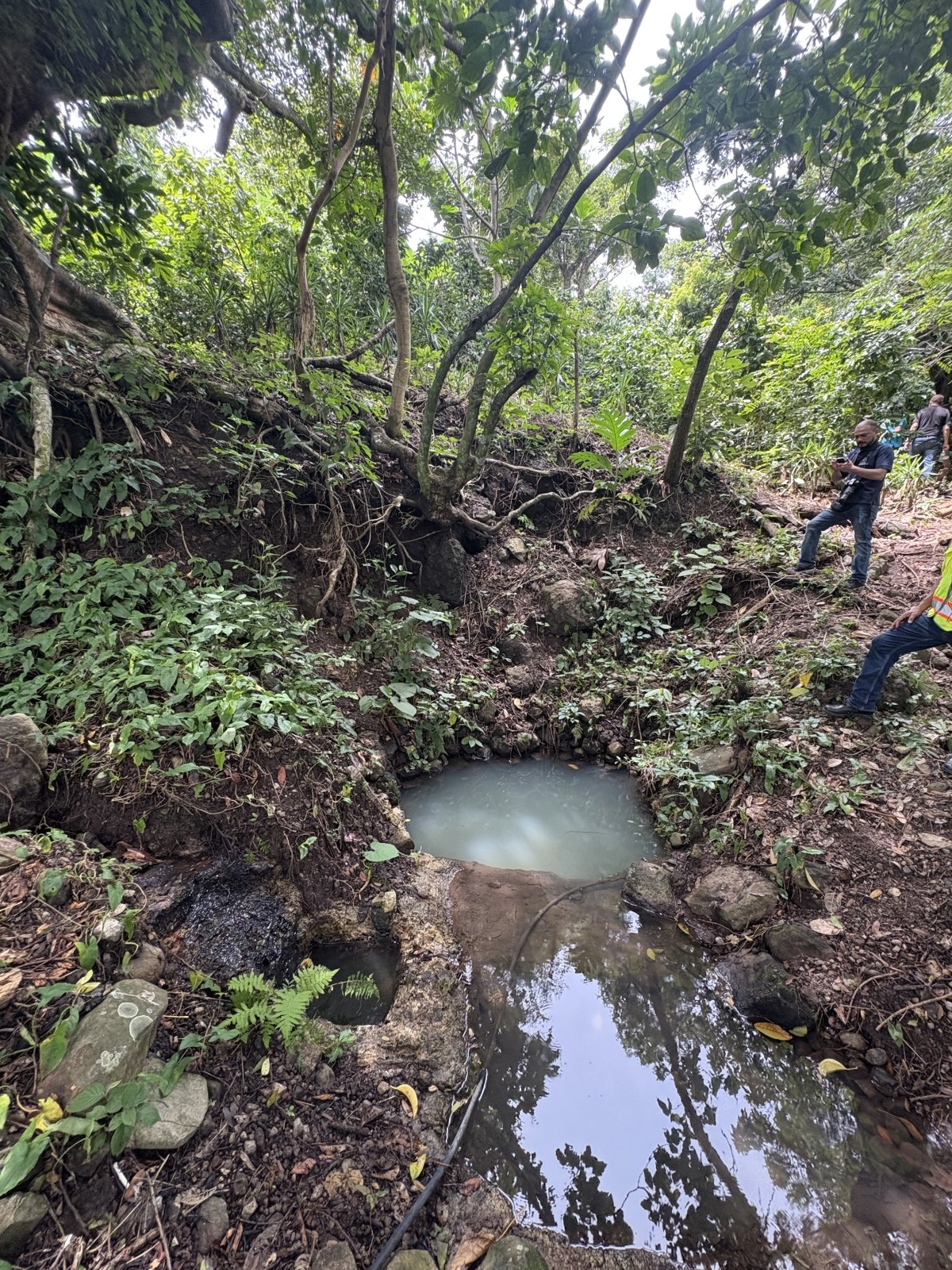
Further north, in the Cacahuatique watershed of Morazán, agricultural communities like El Tablón are managing scarce water resources amid steep terrain and intensifying weather extremes. Farmers here grow coffee, cacao, corn and plantains — crops that depend on consistent rainfall yet remain vulnerable to drought and erosion.
Lutheran World Relief supports these communities by helping CCPCs and community members integrate disaster preparedness into agricultural practices and natural resource management. Together, they build contour barriers, protect forested areas and plant native species that stabilize soil and retain moisture. Crop diversification has not only improved food security and income, but also protects the soil and helps families diversify incomes so they are better prepared when the next disaster hits.
Local officials from Morazán’s municipalities celebrated the well-organized CCPCs in communities partnering with Lutheran World Relief but emphasized the need to strengthen those in other locations. They underscored the importance of extending this work across all communities, including remote ones near the Honduran border, so that disaster readiness is coordinated across entire catchments rather than clustered points of intervention.
Preparedness that helps communities stay whole
All of this work helps El Salvador lessen the adverse impact of floods, droughts, landslides, volcanic eruptions and earthquakes. When these hazards become disasters, the effects ripple far beyond the immediate damage. Lost harvests, destroyed homes, and uncertain futures can push families to migrate in search of stability.
Strengthening local disaster preparedness and emergency response capacity helps protect lives and life-giving sources of income, giving people greater security and the freedom to keep building their futures at home. When preparedness reduces losses and uncertainty, communities remain stronger and more connected, better able to face challenges together — the foundation for a more stable, hopeful future.
Agua es vida — water is life — as one farmer in Morazán described it. In every community, that phrase carried a truth that transcended geography: water sustains health, jobs and protection. Stewarding it wisely means being ready — ready for the next storm, the next dry spell, the next challenge — and ready to safeguard life itself.
Visiting these communities was a reminder that preparedness is more than a plan — it’s a way of caring for one another and for the water and land that sustain us.