Prepared and united: How one woman’s leadership is protecting her community from disaster
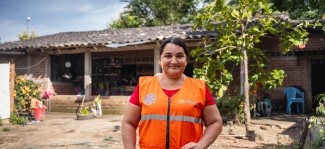
Marta helps her community of Condadillo, El Salvador prepare for and respond to disasters. She is a member of her local emergency committee, trained through Lutheran World Relief’s Strengthening of Community-Based Structures for Disaster Preparedness and Mitigation (SOS) projects.
Each morning in Condadillo, a small rural community in eastern El Salvador, Marta Adelia Cruz de Maravilla rises before dawn to care for her family. She tends to chickens in the yard, runs a small shoe shop from her porch and supports her husband, a farmer and local pastor.
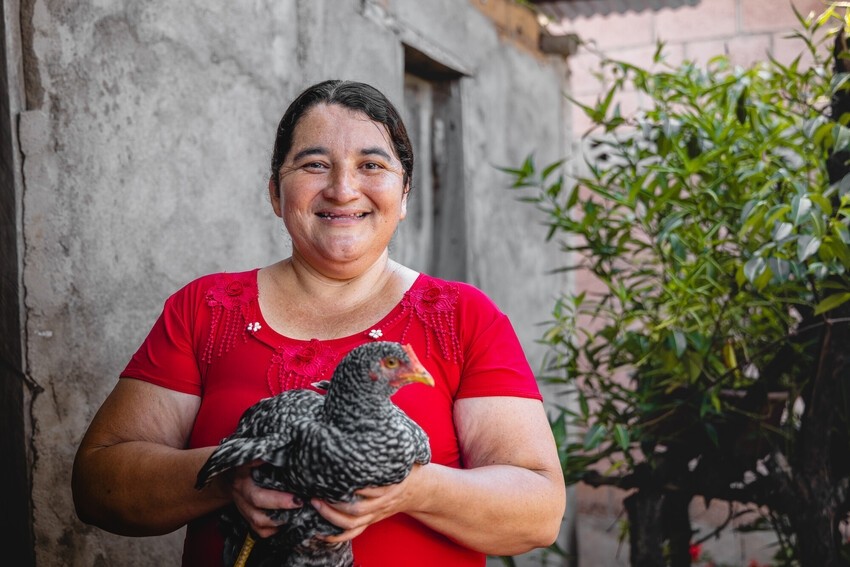
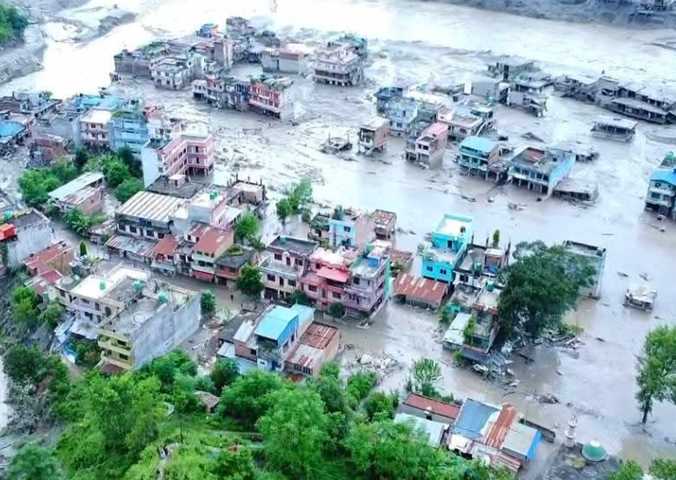
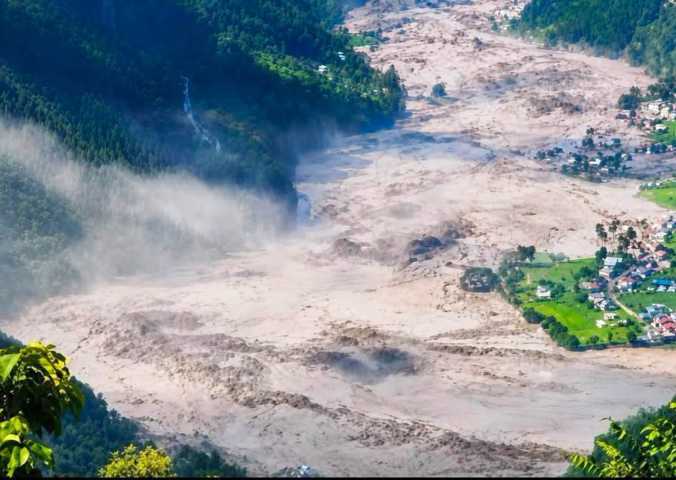
Life here revolves around agriculture, yet the people of Condadillo face mounting challenges: intense heat, prolonged drought, sudden storms and rising rivers that cut them off from vital services.
“Some years, the cornfields look very nice,” Marta says, “but suddenly the drought comes, and then the farmers lose everything. Another problem we have is the river rising. There’s no way through. People can’t cross from here to there.”
Cellphone video from Marta showing how the river floods in her community after heavy rains.
Building a Culture of Preparedness
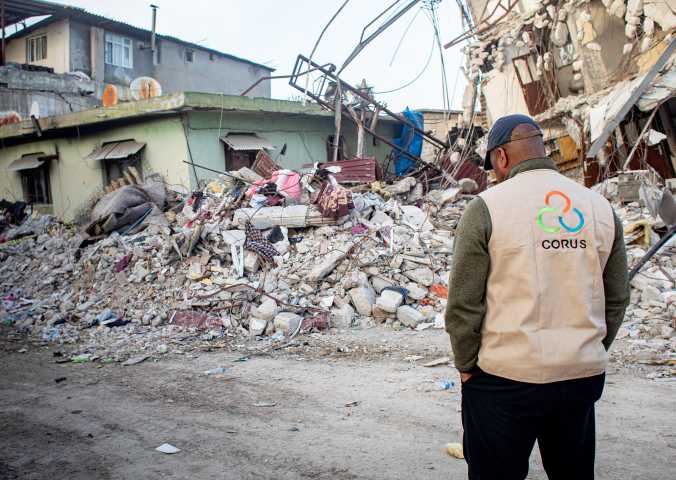
Communities like Marta’s are on the frontlines of increasingly unpredictable environmental shocks, where every season brings new risks. To help families prepare and respond, Corus organization Lutheran World Relief launched the Strengthening of Community-Based Structures for Disaster Preparedness and Mitigation (SOS) projects in partnership with local organizations.
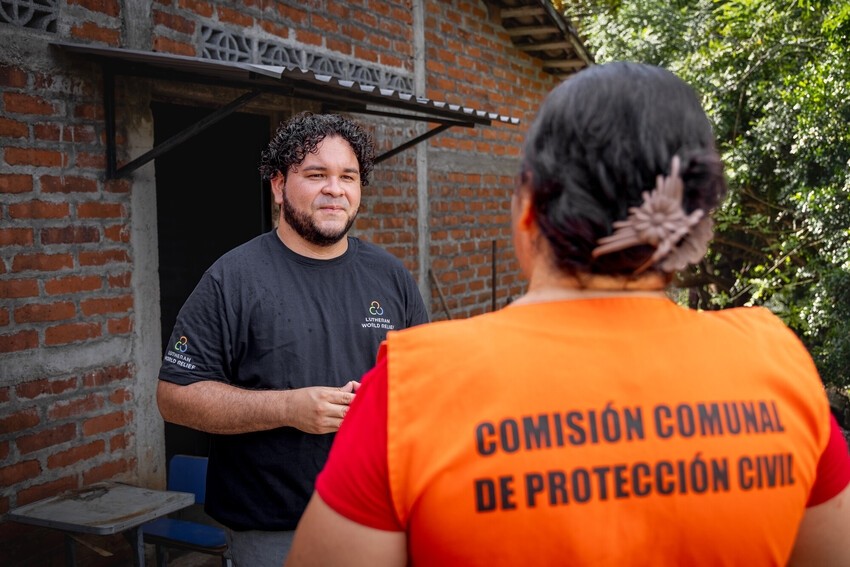
SOS III focuses on expanding and strengthening Comisiones Comunales de Protección Civil (CCPCs), local emergency committees that train residents to respond quickly and effectively to disasters. Through peer-to-peer learning, improved early warning systems and practical tools, these committees are building resilience from the ground up — empowering communities to act before disaster strikes.
Marta joined the project in 2019 as a first-aid coordinator and now leads Condadillo’s CCPC. “It feels good to work with everyone and support whatever they need,” she says. “That’s what we’re here for — to help the community.”
When Preparation Saves Lives
The value of this training became clear when a forest fire broke out near Marta’s home three years ago. Thanks to the skills and resources provided by SOS, the committee knew exactly what to do.
“I sent the WhatsApp message, my colleague set off the megaphone siren, and everyone knew it was an emergency,” Marta recalls. “The whole community, even those who weren’t on the committee, responded. Some did the firebreaks. Others were throwing water to keep the fire from reaching the houses.”
Because firefighters are hours away, this rapid, coordinated action made the difference. Together, the community contained the blaze before it reached homes or livestock.
Cellphone video from Marta of the forest fire she witnessed in 2022.
Tools for Resilience
Beyond emergency response, SOS III helps families prepare for and adapt to the changing environment. Lutheran World Relief has provided Condadillo with tools like chainsaws, shovels and backpack sprayers, along with training on water conservation, organic fertilizer and soil care. Ten large water reservoirs now help families sustain livestock during dry spells, while an incubator enables them to hatch chicks and improve household nutrition and income.
These measures reduce vulnerability and strengthen food security, ensuring that households like Marta’s can recover more quickly after a disaster. “We didn’t know many things before, but now we’ve learned them and put them into practice,” Marta says.
A Safer, More Connected Future
Perhaps most importantly, SOS III has transformed how the community sees itself. Before the project, emergencies often left people to fend for themselves. “No one would step in. It was every man for himself,” Marta recalls. “But when the project reached this canton and trained us, they gave us tools, and I feel that’s a blessing because now, whenever they are in need, people say, ‘Call Civil Protection. Call them.’”
Now, with a coordinated system in place, a single siren alerts neighbors to danger, and collective action follows. Community clean-up campaigns, awareness drives and environmental education initiatives have further strengthened local capacity, reducing risks before they escalate.
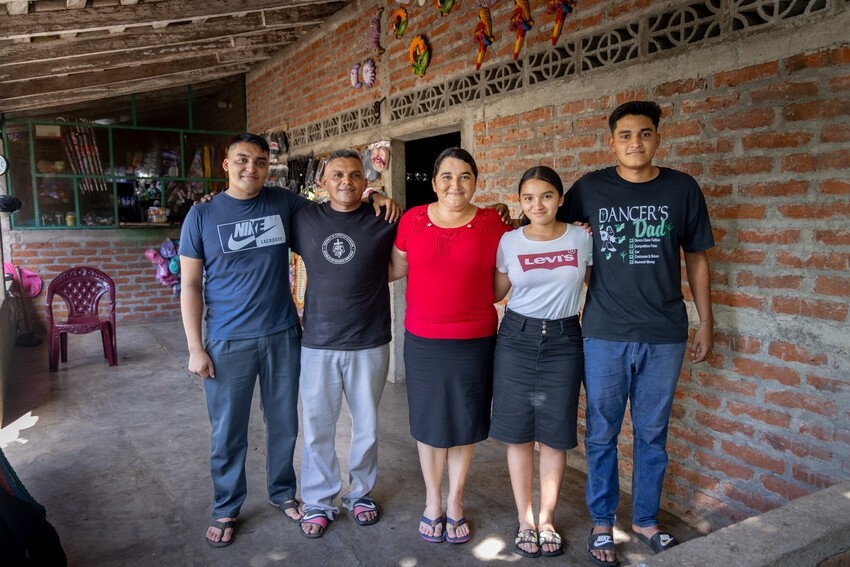
Marta’s oldest son has now joined the committee, a sign of the intergenerational change she hopes to see. “We want young people to get involved so we can build a better community,” she says. “A community that, even if it takes effort, becomes clean and organized over time — with more jobs and opportunities.”
Investing in Preparedness, Protecting Lives
For Marta and her neighbors, disaster preparedness is no longer an abstract concept — it is part of daily life. Through the SOS project, they have learned that when communities come together, they can prevent disasters from becoming tragedies and protect what matters most: their homes, their livelihoods and their future.
“Reaching more communities would do a lot of good,” Marta says. “Many times we don’t know how to act in those situations, but once we’re trained and have experience with what to do, it’s a great blessing.”